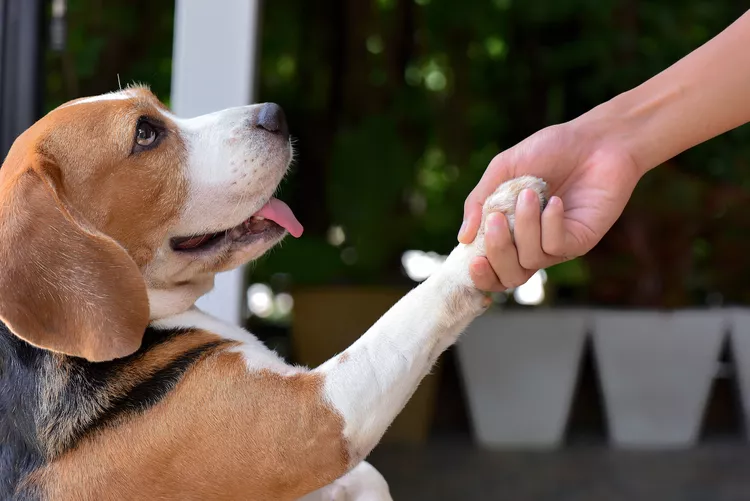
Using positive reinforcement to train your dog means you reward the behaviors you like and ignore the behaviors you do not like. You can use praise, life rewards (such as games, walks, or car rides), or treats to reward your dog's good behavior. Clicker training is one effective method, but it's possible to use rewards without the clicker. To help you get started, it's good to understand the many benefits of training your dog with positive reinforcement.
Positive reinforcement allows everyone in the family to get involved in training the dog. It doesn't require you to speak in a strong tone of voice, use your strength, or put yourself or a family member in potential danger. Everyone in the family can get in on the act!
For instance, it may be dangerous to allow your child to use some methods of dog training, such as leash corrections and forms of punishment. With positive reinforcement, you can give your children a handful of dog treats and teach them the commands you're using. Under your supervision, children will be able to train your dog the same way you do.
Positive reinforcement allows you to communicate clearly with your dog. You decide what you want your dog to do and let it know by offering rewards when the dog does the desired action. When you reward your dog for doing things correctly, it's more likely to repeat those good behaviors because dogs aim to please.
Punishment is not always so clear. A good example is punishing a dog for housebreaking accidents. In this case, you catch the dog urinating on your carpet and scold it or resort to the age-old trick of smacking it with a rolled up newspaper. Your intention is to tell the dog that it's not acceptable to eliminate inside your home. Instead, dogs often learn that it's not safe to eliminate when you are around. This is one of the reasons you may find your dog has accidents when left alone, but you never seem to catch it in the act. There's definitely a communication problem; fear is simply not an effective way for a dog to learn things properly.
With positive reinforcement, you can avoid this confusion. In the house training example, you want to teach your dog to eliminate outside rather than in your home. Instead of punishing your dog, you'll reward the behavior you want, which is going to the bathroom outside. In this case, every time your dog eliminates outside, you give it lots of praise and treats or let it go for some playtime.
If you're patient and consistent, your dog will learn that good things happen when it relieves itself outside while nothing happens when it goes indoors. Your dog will soon be eliminating outside in an effort to reap the rewards because you managed to clearly communicate with your dog.
Using training methods such as leash corrections or other forms of punishment is not effective for every dog. In fact, in some cases, punishment can serve to make a behavior problem worse.
Aggressive dogs are a perfect example because they often become even more aggressive in the face of punishment. Likewise, fearful dogs may not respond well to even the smallest punishment. A dog who is scared of certain people or situations may become even more fearful when punishment is used as a training method. However, clicker trainers have reported great success using positive reinforcement to train aggressive and fearful dogs.
Boredom is a major factor in common behavior problems, such as digging and excessive chewing. Training is a great way to help keep boredom at bay. You may be surprised at how much energy your dog will burn off simply by adding a few short, positive training sessions to its day.
If you keep training sessions short and upbeat, positive reinforcement training can be fun for you and your dog. Once dogs recognize that training leads to lots of good things for them, many begin to view training sessions as playtime. Your dog will soon be offering you good behaviors in the hopes of getting rewards, and you're sure to get a smile out of the dog's eagerness to learn.
For most people, their dogs are their friends, companions, and become a part of the family. Positive reinforcement methods of training can help reinforce the bond you have with your dog. While other training methods may teach your dog how to behave, positive reinforcement will help you lead your dog while maintaining its trust and strengthening your relationship.
Put yourself in your dog's place. Would you feel comfortable at work if your boss physically pushed you to get a task done? Or, are you more likely to enjoy working for someone who offers a positive environment with compliments and perks? It's likely you'll be more willing to work harder for the boss who praises you. In the same way, your dog is much more likely to enjoy your company if it's looking forward to being rewarded rather than fearing punishment.
The key to positive reinforcement is consistency and patience. It can be very frustrating to have your dog disobey a command and you might be tempted to show your anger or disappointment at times. Remember that dogs read body language far better than they understand words, so you need to project positivity as well as say it.
When you get frustrated, take a deep breath, remember that it's only a dog and is doing its best, and relax. Start again on a happy note with a smile and excited eyes. Your dog will pick up on that and look forward to whatever you have in store for it next.
The rewards you offer should be varied and things that really appeal to your dog. When teaching a new command or working on big problem behaviors, offer a really delectable and irresistible treat that is reserved only for training. As your dog gets better, you can transition to their regular treats or offer their favorite toy as a reward. Always offer lots of praise. Soon you will not have to reward them every time and your affection will be enough for a job well done. With patience and positive reinforcement, you can even train your dog to use doggy doorbells to signal you when it needs to go outside.

Kitten Vaccine Schedule
What vaccines does your kitten need? Learn the typical kitten vaccination schedule and find out what diseases your kitten should be immunized against.
13 Cats Who Love Christmas
Christmas time is exciting for animals too! Check out these 13 cute cats who love Christmas just as much as us humans.
275 Best Male Cat Names for Your Handsome Kitty
There are plenty of male cat names to choose from if you’re looking to add a new tomcat to the family. Here are 275 of our favorite choices for male cat names.
10 Unique Bobtail Cat Breeds
Bobtail cat breeds, including the Manx and Cymric, result from natural genetic mutations. Learn whether one of these cats is right for you.
15 Top Cat Breeds With Big Eyes
A cat with big eyes like a Persian or sphynx has an expressive look that brings out its personality. Take a look at 15 breeds with big peepers.
Khao Manee: Cat Breed Profile, Characteristics & Care
The khao manee (diamond eye cat) is a rare white cat with gem-like eyes and a friendly personality. Learn about the khao manee breed.
How to Care for a Hairless Cat
Hairless cats make great pets but they aren't without their own challenges and requirements. Read on to learn how to best care for your furless feline.
10 Most Intelligent Cat Breeds
Looking for a smart cat? Learn about the pros and cons of 10 intelligent cat breeds, including Burmese and Siamese, to decide if one is right for you.
Top Ten Essential Dog Training Supplies
You don't need a lot of special equipment to train a dog, but some items make it easier. Learn which dog training supplies to get for your dog.
Why Dogs Bury Bones and Other Objects
If you give a dog a bone, he might bury it. Why is that? Learn about this burying behavior in dogs and what it means for your pet.
How to Train Your Dog to Fetch
Not all dogs instinctively know how to play fetch. Learn how to teach your dog to fetch a ball and bring it back for a fun interactive game.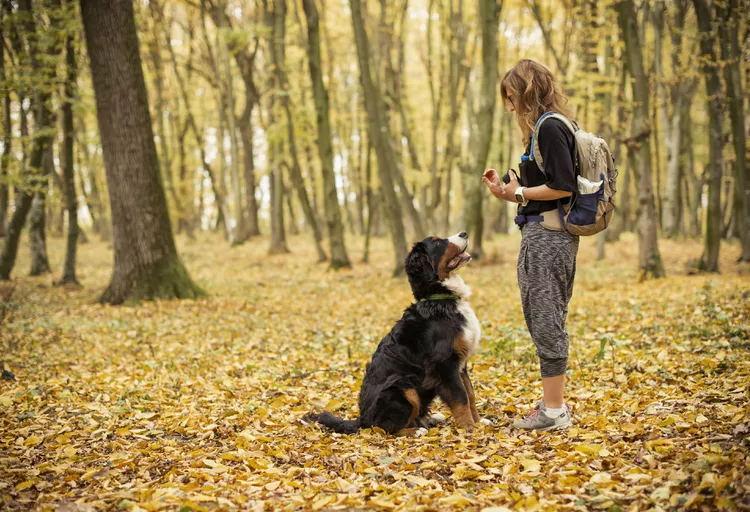
Top 10 Basic Dog Training Commands
Learn basic dog training commands that every dog should know. These can help you overcome common behavior problems and keep your dog safe.
How to Solve Your Dog's Fear of Children
Find out why your dog is afraid of kids and learn ways you can help your canine buddy deal with this phobia.
How to Safely Break Up a Dogfight
A dogfight can be a terrifying event to witness, and trying to break one up can be extremely dangerous. Find out how to stop one without getting injured.
Can Dogs Eat Almonds? Understanding the Risks and Guidelines
Can dogs eat almonds? While a couple likely won't hurt, it's best to avoid feeding your dog this nut. Learn the risks here.
Dog Food Basics
Are you feeding your dog the best way possible? Check out these dog feeding tips to keep your dog healthy and happy.
Can Dogs Eat Edamame? Safety, Benefits, and Prep Tips
Edamame is a protein-rich legume that's safe for dogs to eat in moderation. Learn more about its health benefits, potential risks, and how to prepare it for your pup.
Keeshond: Dog Breed Characteristics & Care
Learn about the keeshond dog, also known as the Dutch Barge Dog. This fluffy spitz breed was bred to guard, but also makes a friendly companion.
Can Dogs Eat Bread?
Is bread a safe snack for you dog? Are there kinds of bread you should avoid? Learn more about whether it's okay to feed your dog bread.
Can Dogs Eat Popsicles?
You might be wondering can dogs eat popsicles? Certain types of frozen treats are safe for your dog, but you need to be aware of ingredients and allergies