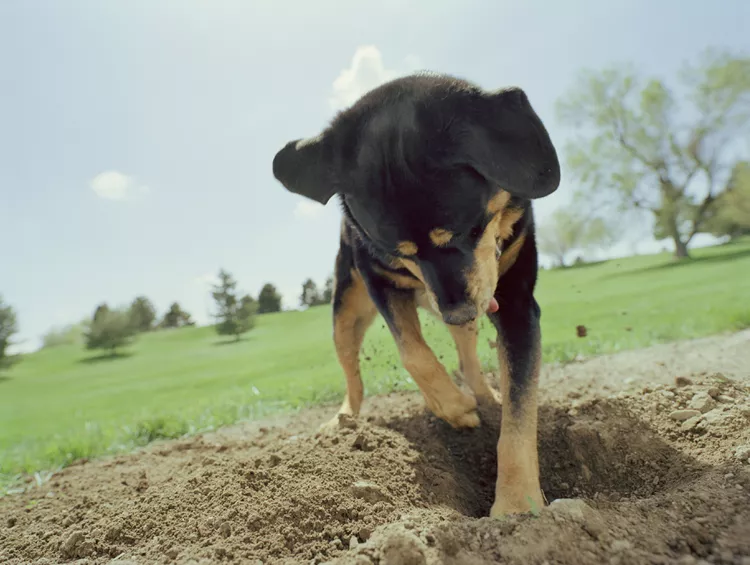
Have you ever given your dog a bone only to watch him head to the couch or outside in the garden to bury it? Many dogs like to hide things in safe places and often dogs are predisposed to bury items that belong to them, and sometimes items that do not. Discover four reasons why this behavior occurs, and how or if you should stop it.
This behavior may have developed due to strong survival instincts inherited from the domesticated dogs' wild ancestors, wild dogs and the gray wolf. Food was not always the easiest to come by and to make the most of the food they had, these wild dogs would often bury the excess in the ground near their dens. The soil acts as a natural refrigerator by keeping the meal away from direct sunlight and the temperature of the earth decreases with the depth of the hole, keeping food fresher longer, so the animal can retrieve it later when nourishment is scarce. This also reduced the smell, keeping other predators away from their leftovers.
Dogs may bury anything they consider valuable, which does not just include food. This is due to their natural instinct to keep valuable things safe and protected.
There are several breeds that are more predisposed to digging and burying than others. A few of these breeds are Terriers, Dachshunds, Beagles, Basset Hounds and Miniature Schnauzers. Cairn Terriers, for instance, were originally bred to chase and hunt small game, and they have maintained their excellent digging skills and their instinct to search. Since these breeds are bred specifically to dig, they may also have a heightened desire to save their resources, and therefore are more likely to bury bones. They also have an instinct to hunt out small rodents, so they often dig when they pick up a scent and are tracking a rodent. This is a normal behavior for them. Remember, regardless of a dog’s breed, all dogs have the potential to dig.
Dogs need stimulation and outlets for their energy every day and when humans do not provide it for them, they will find their own ways to occupy themselves. An example may be the fun game of stealing a tv remote and burying it to get your attention (an attention seeking behavior) and to add some variety to their routines.
Stress and anxiety can play a part in this behavior as well. Some dogs that are feeling anxious may bury items to calm themselves since digging is a self-soothing behavior. If a dog does not feel safe at the moment or in the area they are fed in, they may bury their food to eat in a more comfortable place or time. You may also see more of this behavior in multi-dog households, or among dogs that grew up in situations where they had scarce resources and a lot of competition for food, such as in a puppy mill. This can also be a sign of more severe anxiety, such as obsessive-compulsive behavior in which a dog repeats the same behavior to a concerning degree.
This behavior may improve once your dog feels safe and is fed on a consistent schedule, but if not, it is suggested to seek advice from your veterinarian and behavior professionals.
Remember, burying behavior can occur for a multitude of reasons and motivation can include boredom, anxiety, and the natural urge to hide things in safe places. It's a normal behavior when done appropriately.
To minimize this behavior, be sure to provide lots of scheduled walks, play time, positive training techniques, and other appropriate outlets for your dog’s energy. Keep fun toys out to keep your dog busy when you are not around. Kong toys filled with treats or food puzzle toys work especially well. Be sure to rotate the toys to keep things interesting.
You can also convert the whole act of burying into a fun indoor game that you play a few times during the week with your dog. This is recommended because it's your dog's natural instinct to bury, so you are providing appropriate opportunities for your dog to bury what you ask him to (rather than your tv remote controller). This game will enrich your dog with a new learning of what is okay to hide and what is not.
If you have multiple dogs in the home, it may be helpful to separate them during certain playtimes or when they have some of their favorite toys and treats to reduce the threat of competition. If they are alone, they may be able to enjoy their special treat without the worry of another dog stealing it, reducing their urge to bury it.
If your dog is burying your items or burying their toys out of boredom, do the following:
Lastly, limit your dog’s access to all of their toys and leave out only a few at a time so that they become interested in the toys that are available for them. By limiting the quantity and providing variety, you may lessen your dog’s urge to take their treasures out into the yard and bury them.

Kitten Vaccine Schedule
What vaccines does your kitten need? Learn the typical kitten vaccination schedule and find out what diseases your kitten should be immunized against.
13 Cats Who Love Christmas
Christmas time is exciting for animals too! Check out these 13 cute cats who love Christmas just as much as us humans.
275 Best Male Cat Names for Your Handsome Kitty
There are plenty of male cat names to choose from if you’re looking to add a new tomcat to the family. Here are 275 of our favorite choices for male cat names.
10 Unique Bobtail Cat Breeds
Bobtail cat breeds, including the Manx and Cymric, result from natural genetic mutations. Learn whether one of these cats is right for you.
15 Top Cat Breeds With Big Eyes
A cat with big eyes like a Persian or sphynx has an expressive look that brings out its personality. Take a look at 15 breeds with big peepers.
Khao Manee: Cat Breed Profile, Characteristics & Care
The khao manee (diamond eye cat) is a rare white cat with gem-like eyes and a friendly personality. Learn about the khao manee breed.
How to Care for a Hairless Cat
Hairless cats make great pets but they aren't without their own challenges and requirements. Read on to learn how to best care for your furless feline.
10 Most Intelligent Cat Breeds
Looking for a smart cat? Learn about the pros and cons of 10 intelligent cat breeds, including Burmese and Siamese, to decide if one is right for you.
Top Ten Essential Dog Training Supplies
You don't need a lot of special equipment to train a dog, but some items make it easier. Learn which dog training supplies to get for your dog.
Why Dogs Bury Bones and Other Objects
If you give a dog a bone, he might bury it. Why is that? Learn about this burying behavior in dogs and what it means for your pet.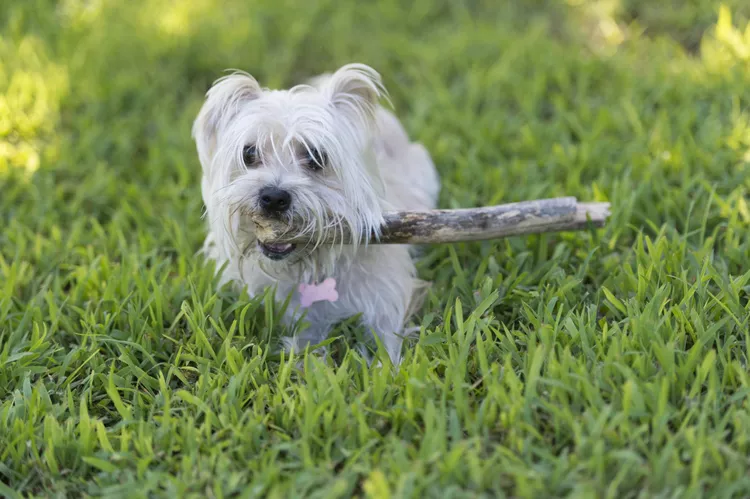
How to Train Your Dog to Fetch
Not all dogs instinctively know how to play fetch. Learn how to teach your dog to fetch a ball and bring it back for a fun interactive game.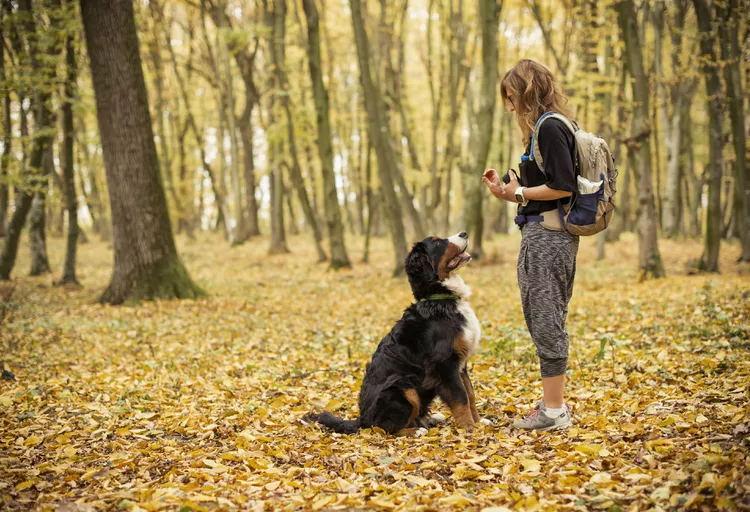
Top 10 Basic Dog Training Commands
Learn basic dog training commands that every dog should know. These can help you overcome common behavior problems and keep your dog safe.
How to Solve Your Dog's Fear of Children
Find out why your dog is afraid of kids and learn ways you can help your canine buddy deal with this phobia.
How to Safely Break Up a Dogfight
A dogfight can be a terrifying event to witness, and trying to break one up can be extremely dangerous. Find out how to stop one without getting injured.
Can Dogs Eat Almonds? Understanding the Risks and Guidelines
Can dogs eat almonds? While a couple likely won't hurt, it's best to avoid feeding your dog this nut. Learn the risks here.
Dog Food Basics
Are you feeding your dog the best way possible? Check out these dog feeding tips to keep your dog healthy and happy.
Can Dogs Eat Edamame? Safety, Benefits, and Prep Tips
Edamame is a protein-rich legume that's safe for dogs to eat in moderation. Learn more about its health benefits, potential risks, and how to prepare it for your pup.
Keeshond: Dog Breed Characteristics & Care
Learn about the keeshond dog, also known as the Dutch Barge Dog. This fluffy spitz breed was bred to guard, but also makes a friendly companion.
Can Dogs Eat Bread?
Is bread a safe snack for you dog? Are there kinds of bread you should avoid? Learn more about whether it's okay to feed your dog bread.
Can Dogs Eat Popsicles?
You might be wondering can dogs eat popsicles? Certain types of frozen treats are safe for your dog, but you need to be aware of ingredients and allergies