If you were to raid the pantry of your average American kitchen, you would in all likelihood find a loaf or two of bread. Between breakfast toast, sandwiches for lunch, and sides of garlic bread with dinner, bread is an incredibly versatile comfort food. With its prevalence in American homes, you may be tempted to sneak a piece to your pup, but is that okay? Is bread safe for your dog to nibble on?
The short answer is yes, unless your dog has an underlying wheat allergy, your average, store-bought or home made white or wheat bread is safe for your pooch. That doesn't mean it's the healthiest snack, though. There are also varieties of bread that you should definitely stay away from as there are things food companies will add to bread that are themselves not safe for your dog to eat.
Unfortunately, just as with people, a diet that is high in bread can make your dog more prone to obesity. Additionally, due to its high glycemic index, bread can make a diabetic dog's blood sugar spike. If your diabetic dog repeatedly is getting into bread it can make it difficult to keep your pup's diabetes controlled.
Most folks will nibble on plain, dry toast when they are feeling a little under the weather. When your vet recommends a bland diet for your dog's stomach troubles this may be what first comes to mind. However, plain white or brown rice and boiled chicken is far healthier than a helping of bread. Chicken and rice has more of what your dog needs to recover from their stomach bug and less of what they don't.
There really is nothing like fresh, crusty, homemade bread. While a bite of the finished product might be okay for your pup to enjoy, the unbaked bread dough can be deadly. The active yeast in the dough will continue to make the dough rise. This is cause your poor dog's stomach to distend, mimicking or even causing bloat, a deadly condition in which the stomach distends and then twists on itself. If you suspect your dog has bloat seek immediate veterinary attention. When the stomach twists on itself the blood supply is cut off, which can lead to tissue necrosis (tissue death) followed by septicemia (blood poisoning).
Unfortunately, a bloat risk from active yeast cultures isn't the worst thing that can happen from bead dough ingestion. The yeast in the bread dough can also release ethanol into your dog's blood stream, causing alcohol toxicity. The onset of symptoms can be between 30 and 60 minutes after ingestion and requires immediate veterinary attention. Left untreated, it can lead to coma and death.
Cinnamon raisin bread be delicious for breakfast toast but raisins can be dangerous for your dog. Raisins (and grapes) can cause acute kidney failure in dogs. Some dogs are more susceptible to raisins and grapes than others but veterinary researches don't fully understand why, so if your dog gets into any raisin bread call your vet immediately. Always keep raisin bread out of reach of your dog and never give your dog raisin bread to snack on, even if there aren't any raisins in the piece that you give them.
Garlic, in large amounts, can also be harmful to dogs. If your pup got into garlic toast they may suffer from gastrointestinal upset such as vomiting and diarrhea, as well as anemia.
Seeded breads and bagels as well as nut breads have become more and more popular the past several years. The biggest nut you should be aware of are macadamia nuts. These are toxic to dogs, causing vomiting, fever, muscle tremors, and weakness. What about other seed breads? Seeds and nuts that aren't actually toxic to dogs may still cause stomach irritation and pancreatitis. Dogs aren't meant to eat whole nuts and seeds on a regular basis and trying to digest them can be taxing on your dog's GI tract.
Another ingredient to be cognizant about is xylitol. An artificial sweetener, it can be found most commonly in sugar-free gum and can cause a dangerous drop in your dog's blood sugar or even injury to the liver if it eats any. Recently food companies have been adding xylitol to different food stuffs that they want to sweeten without adding sugar. Most noticeably are sweet varieties of peanut butter and bread. Even a seedless, garlic-free, non-raisin, run-of-the-mill white bread may contain xylitol, so always check the ingredients before you share a bite with your dog.
While most sandwich bread is safe for your dog to eat, not all kinds of bread you find at the supermarket will be. There are also healthier treats out there for your pooch to snack on. Your vet can give you more insight about what treats are okay for your dog to eat and what treats you should steer clear of.
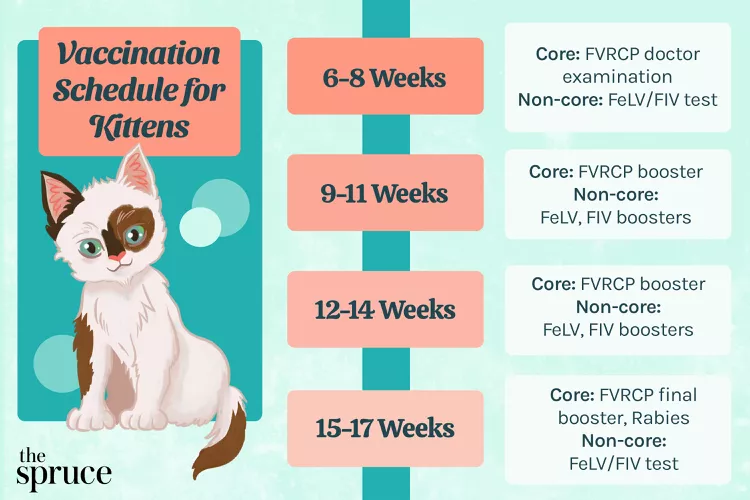
Kitten Vaccine Schedule
What vaccines does your kitten need? Learn the typical kitten vaccination schedule and find out what diseases your kitten should be immunized against.
13 Cats Who Love Christmas
Christmas time is exciting for animals too! Check out these 13 cute cats who love Christmas just as much as us humans.
275 Best Male Cat Names for Your Handsome Kitty
There are plenty of male cat names to choose from if you’re looking to add a new tomcat to the family. Here are 275 of our favorite choices for male cat names.
10 Unique Bobtail Cat Breeds
Bobtail cat breeds, including the Manx and Cymric, result from natural genetic mutations. Learn whether one of these cats is right for you.
15 Top Cat Breeds With Big Eyes
A cat with big eyes like a Persian or sphynx has an expressive look that brings out its personality. Take a look at 15 breeds with big peepers.
Khao Manee: Cat Breed Profile, Characteristics & Care
The khao manee (diamond eye cat) is a rare white cat with gem-like eyes and a friendly personality. Learn about the khao manee breed.
How to Care for a Hairless Cat
Hairless cats make great pets but they aren't without their own challenges and requirements. Read on to learn how to best care for your furless feline.
10 Most Intelligent Cat Breeds
Looking for a smart cat? Learn about the pros and cons of 10 intelligent cat breeds, including Burmese and Siamese, to decide if one is right for you.
Top Ten Essential Dog Training Supplies
You don't need a lot of special equipment to train a dog, but some items make it easier. Learn which dog training supplies to get for your dog.
Why Dogs Bury Bones and Other Objects
If you give a dog a bone, he might bury it. Why is that? Learn about this burying behavior in dogs and what it means for your pet.
How to Train Your Dog to Fetch
Not all dogs instinctively know how to play fetch. Learn how to teach your dog to fetch a ball and bring it back for a fun interactive game.
Top 10 Basic Dog Training Commands
Learn basic dog training commands that every dog should know. These can help you overcome common behavior problems and keep your dog safe.
How to Solve Your Dog's Fear of Children
Find out why your dog is afraid of kids and learn ways you can help your canine buddy deal with this phobia.
How to Safely Break Up a Dogfight
A dogfight can be a terrifying event to witness, and trying to break one up can be extremely dangerous. Find out how to stop one without getting injured.
Can Dogs Eat Almonds? Understanding the Risks and Guidelines
Can dogs eat almonds? While a couple likely won't hurt, it's best to avoid feeding your dog this nut. Learn the risks here.
Dog Food Basics
Are you feeding your dog the best way possible? Check out these dog feeding tips to keep your dog healthy and happy.
Can Dogs Eat Edamame? Safety, Benefits, and Prep Tips
Edamame is a protein-rich legume that's safe for dogs to eat in moderation. Learn more about its health benefits, potential risks, and how to prepare it for your pup.
Keeshond: Dog Breed Characteristics & Care
Learn about the keeshond dog, also known as the Dutch Barge Dog. This fluffy spitz breed was bred to guard, but also makes a friendly companion.
Can Dogs Eat Bread?
Is bread a safe snack for you dog? Are there kinds of bread you should avoid? Learn more about whether it's okay to feed your dog bread.
Can Dogs Eat Popsicles?
You might be wondering can dogs eat popsicles? Certain types of frozen treats are safe for your dog, but you need to be aware of ingredients and allergies