Is your dog scared of children? Dogs and kids make a great combination under the right circumstances and often form lifelong bonds. However, when a dog is afraid of children, it's not always safe to bring them together.
If you're facing this problem with your dog, it might comfort you to know it's fairly common for dogs to be wary of kids (and vice versa), and thankfully, there are ways you can address your pup's fears to help prevent confrontations.
There are two major reasons why dogs may develop a fear of children.
Because it's unlikely a dog will go through its entire life without ever meeting a child, you must work on managing your dog's fear. This is not only for the sake of your dog; it is also important to prevent dog bites and other injuries to children.
Fortunately, there are several things you can do to minimize your dog's fear of children.
If you have just brought home a puppy, start socializing it with children right away. Puppies go through a peak socialization period at around 8 to 12 weeks of age, during which time they should be exposed to as many different situations as possible. Keep in mind that all interactions should be supervised and kept as positive, upbeat, and calm as possible. Working on socialization now may save you lots of time, effort, and anguish later on.
Many people have pets before they have children. Then they're surprised when their dogs growl or snap at the new infant or toddler. This can be a heartbreaking situation for the dog owner and the dog, but the key to preventing the problem is early and frequent socialization.
Never leave your dog unsupervised with children. This should be the rule for all dogs but especially for a dog who's afraid of children or hasn't encountered them in the past. Prematurely leaving them alone to play puts both the dog and children in a bad position that can result in even greater fear in the dog or an injury to the children. When a fearful dog (or a new dog) is around children, don't take your eyes off them for a second, and be ready to separate them at the first sign that the dog is becoming uncomfortable.
Don't force your dog to make friends with a child. Forcing your dog to stand still while a child approaches it or pets it is asking for trouble. If a fearful dog is pushed too far beyond its comfort zone, aggression can be the result, particularly if it is unable to leave the stressful situation. Don't put your dog in a position where it feels forced to defend itself.
All dogs need a quiet, safe space where they can be left alone. If your dog is afraid of children, make sure it has a safe, quiet spot it can get to when children are around but that the children cannot access. If your dog is crate-trained, a crate makes a perfect hiding spot. Don't allow children anywhere near your dog's safe area.
If you have children and a fearful dog living in the same household, your children must have rules to follow. They should never be allowed to interact with the dog unsupervised, and they should know to never try to take the dog's toys or approach the dog while it's eating or sleeping.
It's also important that you spend time teaching your children the right way to interact with dogs. This includes how to touch your dog with gentle petting rather than poking, prodding, and pulling.
Desensitization is the process of gradually increasing your dog's interactions with children to make it more comfortable with them. Because a fearful dog can become aggressive, it's important to handle desensitization carefully.
For example, you can start by tossing your dog a few treats when it sees children from a distance and remains relaxed. Very slowly over several days, weeks, or months (depending on the severity of the fear), you can decrease the distance between your dog and children as long as no signs of stress appear, all the while handing out treats and praise. Never punish a dog who is reacting out of fear as that only confirms to the dog that it had a good reason to be afraid.
Find a veterinary behaviorist or reputable dog trainer with experience in dealing with fearful dogs, and make sure they use only positive reinforcement. Because dogs who are afraid of children run the risk of biting, it is often beneficial to call in a professional. A trainer or behaviorist can help you implement a desensitization program and get results more quickly and safely than you might otherwise.
These things can take a long time, and your dog may never fully accept children. However, with patience and perseverance, you should be able to minimize your fluffy friend's fear and prevent dog bites.
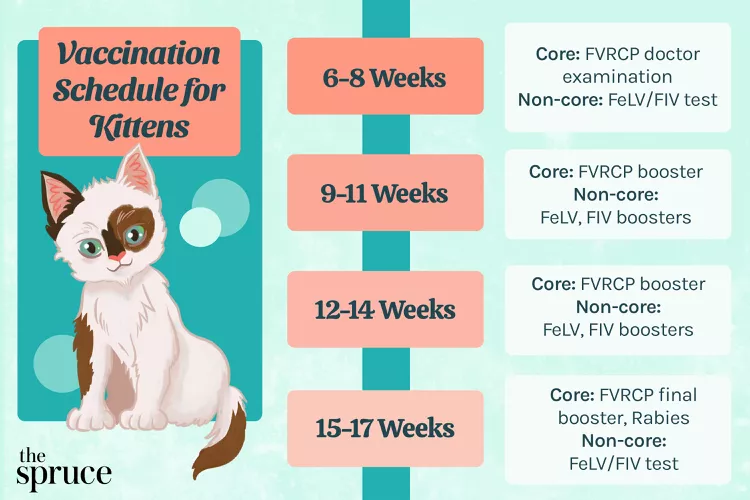
Kitten Vaccine Schedule
What vaccines does your kitten need? Learn the typical kitten vaccination schedule and find out what diseases your kitten should be immunized against.
13 Cats Who Love Christmas
Christmas time is exciting for animals too! Check out these 13 cute cats who love Christmas just as much as us humans.
275 Best Male Cat Names for Your Handsome Kitty
There are plenty of male cat names to choose from if you’re looking to add a new tomcat to the family. Here are 275 of our favorite choices for male cat names.
10 Unique Bobtail Cat Breeds
Bobtail cat breeds, including the Manx and Cymric, result from natural genetic mutations. Learn whether one of these cats is right for you.
15 Top Cat Breeds With Big Eyes
A cat with big eyes like a Persian or sphynx has an expressive look that brings out its personality. Take a look at 15 breeds with big peepers.
Khao Manee: Cat Breed Profile, Characteristics & Care
The khao manee (diamond eye cat) is a rare white cat with gem-like eyes and a friendly personality. Learn about the khao manee breed.
How to Care for a Hairless Cat
Hairless cats make great pets but they aren't without their own challenges and requirements. Read on to learn how to best care for your furless feline.
10 Most Intelligent Cat Breeds
Looking for a smart cat? Learn about the pros and cons of 10 intelligent cat breeds, including Burmese and Siamese, to decide if one is right for you.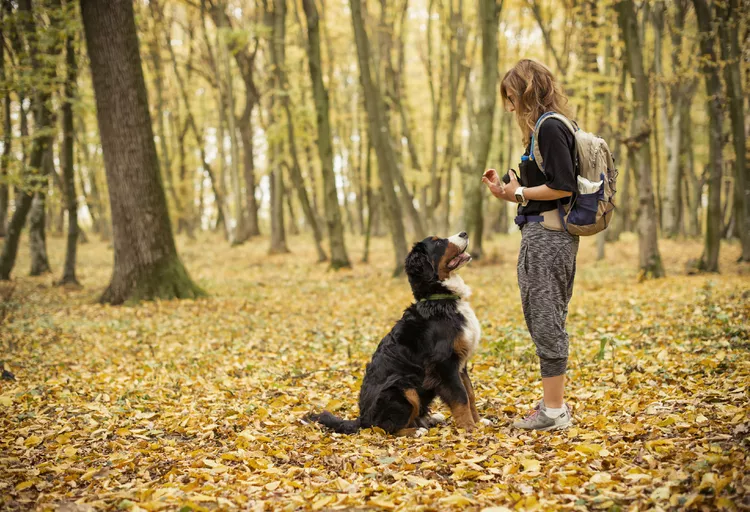
Top Ten Essential Dog Training Supplies
You don't need a lot of special equipment to train a dog, but some items make it easier. Learn which dog training supplies to get for your dog.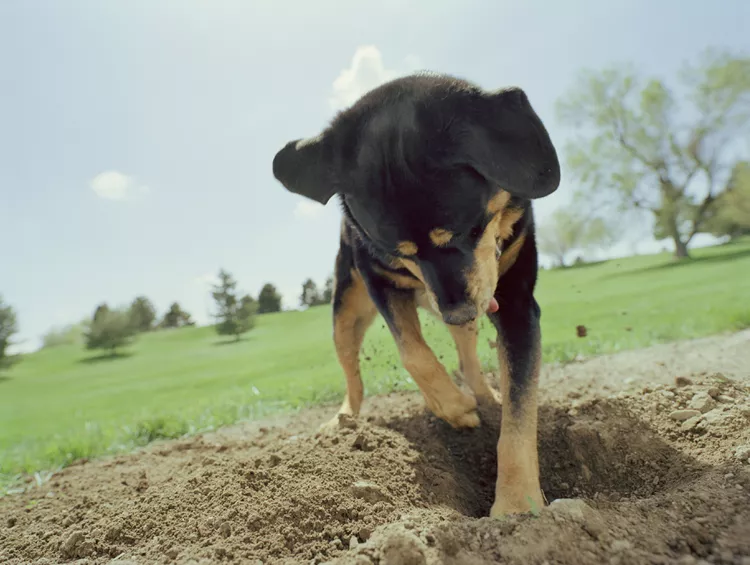
Why Dogs Bury Bones and Other Objects
If you give a dog a bone, he might bury it. Why is that? Learn about this burying behavior in dogs and what it means for your pet.
How to Train Your Dog to Fetch
Not all dogs instinctively know how to play fetch. Learn how to teach your dog to fetch a ball and bring it back for a fun interactive game.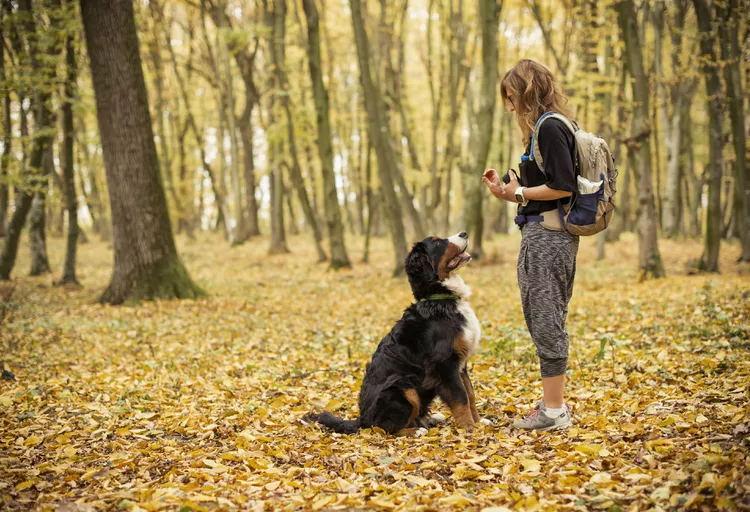
Top 10 Basic Dog Training Commands
Learn basic dog training commands that every dog should know. These can help you overcome common behavior problems and keep your dog safe.
How to Solve Your Dog's Fear of Children
Find out why your dog is afraid of kids and learn ways you can help your canine buddy deal with this phobia.
How to Safely Break Up a Dogfight
A dogfight can be a terrifying event to witness, and trying to break one up can be extremely dangerous. Find out how to stop one without getting injured.
Can Dogs Eat Almonds? Understanding the Risks and Guidelines
Can dogs eat almonds? While a couple likely won't hurt, it's best to avoid feeding your dog this nut. Learn the risks here.
Dog Food Basics
Are you feeding your dog the best way possible? Check out these dog feeding tips to keep your dog healthy and happy.
Can Dogs Eat Edamame? Safety, Benefits, and Prep Tips
Edamame is a protein-rich legume that's safe for dogs to eat in moderation. Learn more about its health benefits, potential risks, and how to prepare it for your pup.
Keeshond: Dog Breed Characteristics & Care
Learn about the keeshond dog, also known as the Dutch Barge Dog. This fluffy spitz breed was bred to guard, but also makes a friendly companion.
Can Dogs Eat Bread?
Is bread a safe snack for you dog? Are there kinds of bread you should avoid? Learn more about whether it's okay to feed your dog bread.
Can Dogs Eat Popsicles?
You might be wondering can dogs eat popsicles? Certain types of frozen treats are safe for your dog, but you need to be aware of ingredients and allergies