The "wait" command tells dogs to focus on you, stay where they are and not move forward until you release them. This command is especially helpful to prevent your dog from bolting out the door or out of the crate.
Luckily, you don't need any special equipment to teach your dog how to wait. Instead of giving a food reward, you can simply teach your dog that responding to the command means being allowed to do certain things. While it can be a challenge to teach a new command, this one's fairly easy and useful in several situations.
Separate training sessions are not required to train your dog to wait. To practice, use the "wait" command every time you let the dog go outside or leave the crate. Once you begin working on "wait," your dog should never be allowed to bolt outside or lunge out of its crate.
When your dog is ready to explore the yard or leave the cage, start by giving the command "wait." Then, open the door a little bit, and see if the dog lunges forward to get out. If so, close the door quickly. Next, try to give your dog the command again. Each time you give the command, open the door slightly and close it quickly if your dog lunges forward to get out.
In the early stages of training, reward any hesitation. If you give your dog the "wait" command, and they hesitate, praise them and open the door. As you open the door, use a command that lets them know it's OK to move forward, such as "free" or "go ahead."
Once your dog begins to truly "wait" when you give the command, make it wait a few more seconds before the release. When your pet holds the "wait" command for several seconds or longer, you can begin to open the door a little wider. However, you should be ready to close the door quickly, in case your dog starts to bolt or lunge outside again.
After practicing "wait" for a few days, your dog should be able to stand still with the door wide open until you give the command "free" or "go ahead" for release. Be sure to practice this from time to time and remember to frequently reward your dog for complying.
You can also teach your dog how to wait in other contexts, like waiting for food. Self-control can be difficult a difficult thing for dogs to learn, but similar to the door exercise, you can use a food bowl filled with treats. Simply lower the food bowl toward the floor, and get it to your knee without the dog moving towards it. Move the bowl back up toward you if your dog moves. However, if you reach your knee and your dog behaves, offer a treat as a reward. Simply repeat this cycle until the command "wait" is understood.
You can use "wait" before you go outside for a walk on a leash as well. You may also want your dog to wait before getting out of the car or at the top of the stairs while you go to the basement. Anytime when it's in your dog's best interest—safety and self-discipline—is a good time to use this command.
As with any training command, be sure to use "wait" regularly to reinforce the lesson throughout your dog's life. Soon enough, it will likely become second nature to both of you.
If you find that your dog begins to disregard the command, go back to the beginning. Do a few training sessions at the door to help them relearn the good behavior you're asking for. It shouldn't take as long this time because it's simply a refresher course.
You can also take this command to the next level and introduce a trick. For instance, many dog owners train their dog to not touch a ball or favorite toy until directed to do so. Once your dog understands the command, sit them down then slowly place the toy in front of them while saying "wait" and stepping back. Stop the dog from approaching the toy and return it to its original position if the dog picks it up.
With patience and consistency, your pup should only touch the toy after getting your permission. This approach is also useful for training a dog to hold a treat on its nose and other fun self-control tricks.

Kitten Vaccine Schedule
What vaccines does your kitten need? Learn the typical kitten vaccination schedule and find out what diseases your kitten should be immunized against.
13 Cats Who Love Christmas
Christmas time is exciting for animals too! Check out these 13 cute cats who love Christmas just as much as us humans.
275 Best Male Cat Names for Your Handsome Kitty
There are plenty of male cat names to choose from if you’re looking to add a new tomcat to the family. Here are 275 of our favorite choices for male cat names.
10 Unique Bobtail Cat Breeds
Bobtail cat breeds, including the Manx and Cymric, result from natural genetic mutations. Learn whether one of these cats is right for you.
15 Top Cat Breeds With Big Eyes
A cat with big eyes like a Persian or sphynx has an expressive look that brings out its personality. Take a look at 15 breeds with big peepers.
Khao Manee: Cat Breed Profile, Characteristics & Care
The khao manee (diamond eye cat) is a rare white cat with gem-like eyes and a friendly personality. Learn about the khao manee breed.
How to Care for a Hairless Cat
Hairless cats make great pets but they aren't without their own challenges and requirements. Read on to learn how to best care for your furless feline.
10 Most Intelligent Cat Breeds
Looking for a smart cat? Learn about the pros and cons of 10 intelligent cat breeds, including Burmese and Siamese, to decide if one is right for you.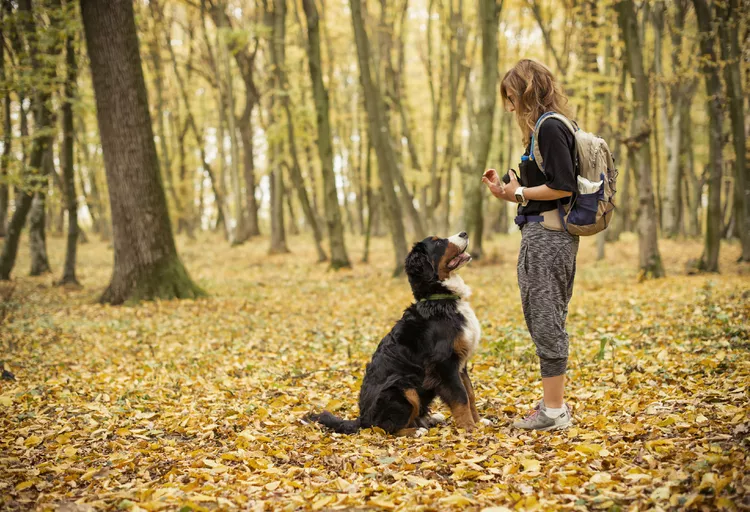
Top Ten Essential Dog Training Supplies
You don't need a lot of special equipment to train a dog, but some items make it easier. Learn which dog training supplies to get for your dog.
Why Dogs Bury Bones and Other Objects
If you give a dog a bone, he might bury it. Why is that? Learn about this burying behavior in dogs and what it means for your pet.
How to Train Your Dog to Fetch
Not all dogs instinctively know how to play fetch. Learn how to teach your dog to fetch a ball and bring it back for a fun interactive game.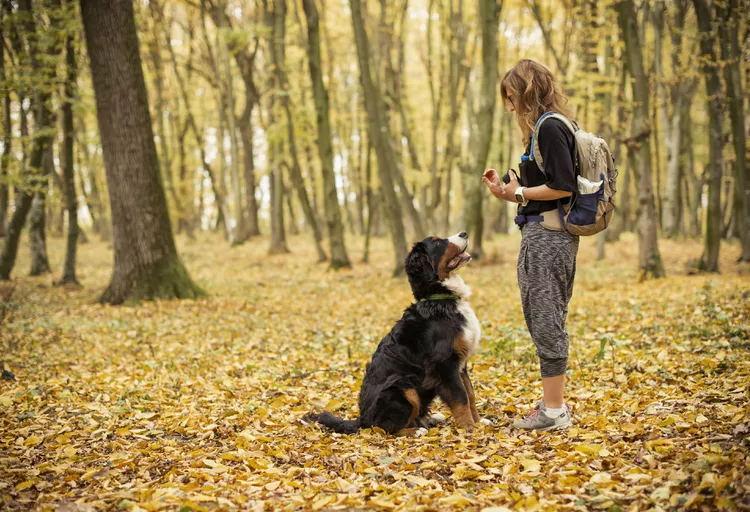
Top 10 Basic Dog Training Commands
Learn basic dog training commands that every dog should know. These can help you overcome common behavior problems and keep your dog safe.
How to Solve Your Dog's Fear of Children
Find out why your dog is afraid of kids and learn ways you can help your canine buddy deal with this phobia.
How to Safely Break Up a Dogfight
A dogfight can be a terrifying event to witness, and trying to break one up can be extremely dangerous. Find out how to stop one without getting injured.
Can Dogs Eat Almonds? Understanding the Risks and Guidelines
Can dogs eat almonds? While a couple likely won't hurt, it's best to avoid feeding your dog this nut. Learn the risks here.
Dog Food Basics
Are you feeding your dog the best way possible? Check out these dog feeding tips to keep your dog healthy and happy.
Can Dogs Eat Edamame? Safety, Benefits, and Prep Tips
Edamame is a protein-rich legume that's safe for dogs to eat in moderation. Learn more about its health benefits, potential risks, and how to prepare it for your pup.
Keeshond: Dog Breed Characteristics & Care
Learn about the keeshond dog, also known as the Dutch Barge Dog. This fluffy spitz breed was bred to guard, but also makes a friendly companion.
Can Dogs Eat Bread?
Is bread a safe snack for you dog? Are there kinds of bread you should avoid? Learn more about whether it's okay to feed your dog bread.
Can Dogs Eat Popsicles?
You might be wondering can dogs eat popsicles? Certain types of frozen treats are safe for your dog, but you need to be aware of ingredients and allergies