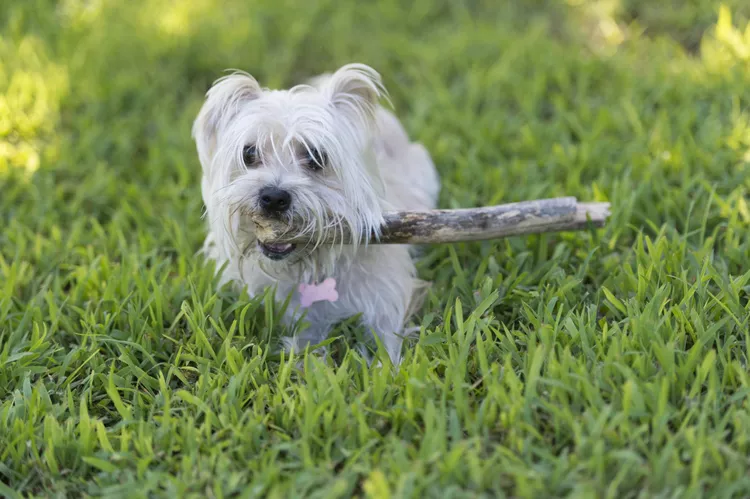
Fetch is a fun game to play with any dog. It involves throwing a ball or another toy and having your dog chase it then bring it back to you. Many people think this game is something dogs do naturally. However, most dogs need to learn how to do it, or at least some part of it. Fortunately, it's not difficult to teach your dog to fetch.
Before you do anything else, make sure your dog has a good understanding of the sit command. All games of fetch should begin with you asking your dog to sit. Make sure it's sitting calmly next to you before moving on to the next step. This ensures that once the dog understands the rules of the game, it won't jump up on you to try to get the ball before you get a chance to throw it.
Once you get your dog to sit, throw the ball and tell it "fetch." Start by throwing the ball just a short distance. Most dogs will instinctively chase the ball and pick it up. If so, you're done with this part of the training.
If fetching doesn't come naturally to your dog, you may have to work on training it to play first. You can start by giving the dog treats or praise for taking an interest in the ball. Then, slowly work your way up to having it run after and pick up the ball.
This step and the next are the most important parts of the game of fetch. It's also the place most people run into trouble. If you can't get your dog to come back and drop the ball, you're not playing fetch, you're just playing chase!
The best way to get a dog to return to you with the ball is to make sure it has a strong understanding of the come command before you begin. When playing fetch, as soon as your dog picks up the ball, say "come." Encourage your dog to come back to you by speaking in a happy voice, patting your legs, and giving it praise.
If a dog is having trouble with this step, you may need to shorten the distance you throw the ball. In some cases, you will have to start with throwing it just a few feet away from you then gradually increase the distance. Your dog should be able to consistently bring the ball back to you before you move on to the next distance.
It can be tough to convince a dog to return the ball to you once it has it in its mouth. It helps if your dog knows the "drop it" (or release) command. Practice that before you play fetch with your dog and as soon as it returns to you, give the command "drop it." If the dog releases the ball, give it praise and throw the ball again as the reward.
If your dog will not release the ball, you need to make it worthwhile, and treats usually do the trick. Give your dog the "drop it" command, and then show it the treats. The dog will have to release the ball to get the treats. Make sure you wait until you have the ball back in your possession before giving up a treat. Then give your dog an additional reward by throwing the ball to continue the game. If your dog keeps crowding you, you can also teach it to back up.
Another option is to use two balls instead of treats. As soon as your dog returns to you with the first ball, show it the other ball you're holding in your hand. Many dogs will drop the ball they have to go after the second ball. As soon as your dog drops the ball, throw the one in your hand for it to fetch. This approach doesn't always work, however. Some dogs refuse to let go of the ball they already have. In this case, the treat method is probably your best option.
Keep in mind when you're going through these steps that your dog is likely to be just as happy playing chase or keep away as it is playing fetch. Don't get sucked into a game of chase! If your dog runs off with the ball, turn your back and begin to walk away. Most dogs will run towards you. If your dog refuses to bring the ball back, end the game.
For dogs who persist in running away with the ball, try practicing while your dog is on a leash. Throw the ball just a short distance, give the come command and then just stand there and wait it out. Use treats and praise to coax your dog in the right direction.
Some dog trainers also use the approach of hiding a treat inside the ball. To do this, cut a small slit in a ball and insert a treat while your dog is watching. Your dog will know the treat is inside and be able to smell it, but most likely won't be able to get it out on its own. Instead, when the dog brings the ball back, you will have to get the treat out. After just a couple of throws, your dog will realize that to get the treat, it has to bring the ball back to you and drop it.
If your dog does not pick up the idea of fetch right away, give it time. Be patient and consistent. If you practice a little each day, your dog will eventually figure it out. You may find that your dog becomes a fetch fanatic! Once you can successfully play the game in your backyard, you can take it to the park and proof the behavior to see how your dog reacts around distractions.
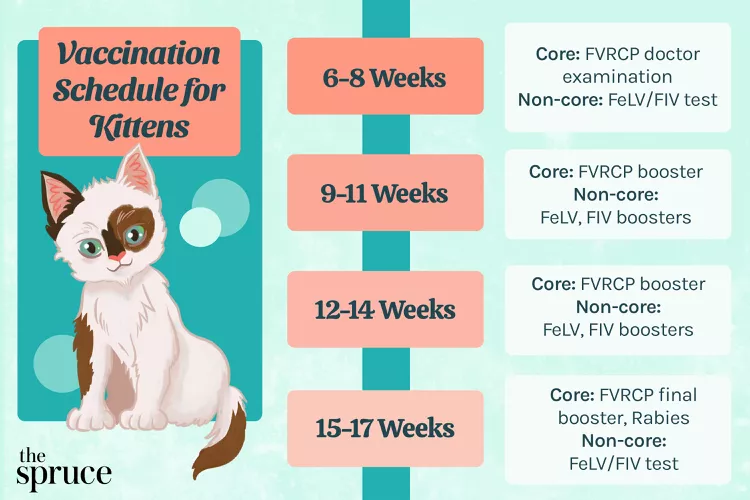
Kitten Vaccine Schedule
What vaccines does your kitten need? Learn the typical kitten vaccination schedule and find out what diseases your kitten should be immunized against.
13 Cats Who Love Christmas
Christmas time is exciting for animals too! Check out these 13 cute cats who love Christmas just as much as us humans.
275 Best Male Cat Names for Your Handsome Kitty
There are plenty of male cat names to choose from if you’re looking to add a new tomcat to the family. Here are 275 of our favorite choices for male cat names.
10 Unique Bobtail Cat Breeds
Bobtail cat breeds, including the Manx and Cymric, result from natural genetic mutations. Learn whether one of these cats is right for you.
15 Top Cat Breeds With Big Eyes
A cat with big eyes like a Persian or sphynx has an expressive look that brings out its personality. Take a look at 15 breeds with big peepers.
Khao Manee: Cat Breed Profile, Characteristics & Care
The khao manee (diamond eye cat) is a rare white cat with gem-like eyes and a friendly personality. Learn about the khao manee breed.
How to Care for a Hairless Cat
Hairless cats make great pets but they aren't without their own challenges and requirements. Read on to learn how to best care for your furless feline.
10 Most Intelligent Cat Breeds
Looking for a smart cat? Learn about the pros and cons of 10 intelligent cat breeds, including Burmese and Siamese, to decide if one is right for you.
Top Ten Essential Dog Training Supplies
You don't need a lot of special equipment to train a dog, but some items make it easier. Learn which dog training supplies to get for your dog.
Why Dogs Bury Bones and Other Objects
If you give a dog a bone, he might bury it. Why is that? Learn about this burying behavior in dogs and what it means for your pet.
How to Train Your Dog to Fetch
Not all dogs instinctively know how to play fetch. Learn how to teach your dog to fetch a ball and bring it back for a fun interactive game.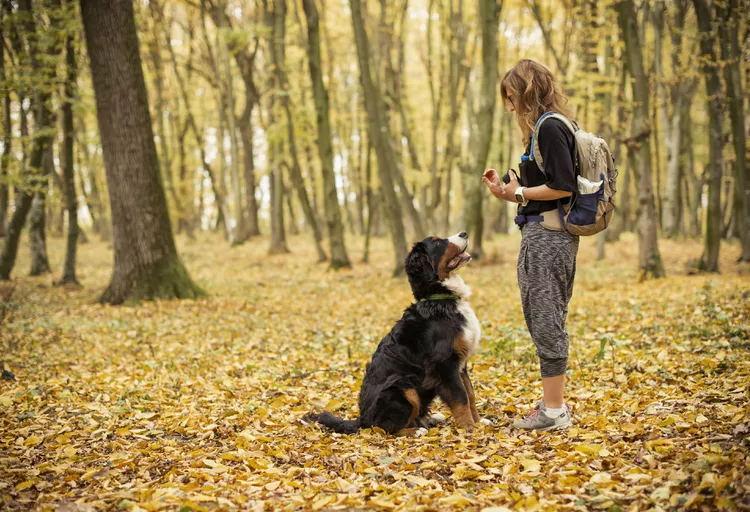
Top 10 Basic Dog Training Commands
Learn basic dog training commands that every dog should know. These can help you overcome common behavior problems and keep your dog safe.
How to Solve Your Dog's Fear of Children
Find out why your dog is afraid of kids and learn ways you can help your canine buddy deal with this phobia.
How to Safely Break Up a Dogfight
A dogfight can be a terrifying event to witness, and trying to break one up can be extremely dangerous. Find out how to stop one without getting injured.
Can Dogs Eat Almonds? Understanding the Risks and Guidelines
Can dogs eat almonds? While a couple likely won't hurt, it's best to avoid feeding your dog this nut. Learn the risks here.
Dog Food Basics
Are you feeding your dog the best way possible? Check out these dog feeding tips to keep your dog healthy and happy.
Can Dogs Eat Edamame? Safety, Benefits, and Prep Tips
Edamame is a protein-rich legume that's safe for dogs to eat in moderation. Learn more about its health benefits, potential risks, and how to prepare it for your pup.
Keeshond: Dog Breed Characteristics & Care
Learn about the keeshond dog, also known as the Dutch Barge Dog. This fluffy spitz breed was bred to guard, but also makes a friendly companion.
Can Dogs Eat Bread?
Is bread a safe snack for you dog? Are there kinds of bread you should avoid? Learn more about whether it's okay to feed your dog bread.
Can Dogs Eat Popsicles?
You might be wondering can dogs eat popsicles? Certain types of frozen treats are safe for your dog, but you need to be aware of ingredients and allergies