Dogs can eat some strange things, including dirt. More often than not, a dog will eat dirt just because it's something to do, but occasionally there are real medical concerns that may be causing your dog to eat dirt.
Dogs can munch on dirt for a few reasons. They may be bored and smell something interesting in the soil or they may be stressed and self-soothing by eating dirt. However, there are also some underlying medical issues that may drive your dog to eat dirt.
In dogs, anemia is considered to be either a low red blood cell count or low hemoglobin levels in the blood. Hemoglobin is the compound in red blood cells that binds oxygen for transport throughout the body, and iron is an essential element in hemoglobin. Whether your dog is anemic because they don't have enough red blood cells or they don't have enough hemoglobin, your dog may instinctively eat dirt because of it. By eating dirt, your dog may be trying to obtain iron from the soil to help with their anemia.
Certain gastrointestinal problems may also cause your dog to eat dirt. Dogs that suffer from irritable bowel syndrome, parasite infestations, and liver or gallbladder dysfunctions may feel compelled to eat dirt. It is believed that, similar to eating grass for an upset stomach, a dog suffering from any of these GI illnesses will eat dirt to soothe their GI tract.
A dog may also start eating dirt if there are nutritional imbalances in their diet. There are various minerals in the soil that a dog with a nutritional imbalance may be trying to obtain. Nutritional imbalances can arise either from improper diet or a malabsorption disorder in your dog's GI tract. All commercially prepared dog food is required be nutritionally balanced and complete for their stated life stage. This means all required nutrients are present and balanced and in the proper ratios. This is actually what the AAFCO statement on all pet food is in reference to—that the food in question is nutritionally complete and balanced.
It's important to know that there are currently two life stages recognized by AAFCO. They are growth and reproduction (i.e. puppies and kittens or pregnant/lactating females) or maintenance (i.e. adults and seniors). So if you feed your adult dog a commercially prepared food made specifically for adult dogs, it's unlikely a nutritional imbalance will be from their diet. Nutritional imbalances from diet is more commonly seen in dogs that eat home-prepared meals. Making your dog's food balanced and complete is more difficult when making it from scratch, whether you cook it or feed them a raw home-prepared diet. There are various vitamins and minerals that your dog will need that may be difficult to find. There are board certified veterinary nutritionists that can review a recipe to ensure it is balanced and complete, or they can even give you a recipe to follow.
The other way nutritional imbalances can arise is through malabsorption disorders. A dog suffering from a malabsorption disorder will not be able to properly absorb all the nutrients from their diet, so you could feed your dog a nutritionally balanced and complete diet, but they won't be able to absorb all the nutrients from their food. One of the most commonly-seen malabsorption disorders is something called Exocrine Pancreatic Insufficiency, or EPI. A dog with EPI does not have the proper amount of pancreatic enzymes required to break down their food. Dogs with EPI will be noticeably under nourished, appearing under weight. EPI can be acquired through infection or injury to the pancreas but it can also be something that is inherited genetically. German Shepherd Dogs historically have been the poster child for EPI but it can also be a genetic disorder seen in Rough Coated Collies, Chow Chows, and Cavalier King Charles Spaniels.
Eating dirt, while not an immediate medical emergency, isn't something you should encourage in your dog, as there are health complications from eating dirt. If your dog eats rocks, pebbles, sticks, or even just a very large volume of dirt, they can get intestinal blockages and impactions that may require surgical intervention. Sticks and other sharp debris that may be present in the dirt may cause trauma to your dog's mouth and esophagus. Any pesticides or toxins present in the dirt can make your dog sick. There are also intestinal parasites that your dog may ingest when they eat dirt.
Since dogs eats dirt most commonly because they are bored, making sure your dog has proper environmental enrichment and adequate exercise can help your dog break this habit. Things as simple as training, playing in the yard, or going for walks or runs can help. For dogs that require more activity and more mental stimulation, they may enjoy a sport such as agility, fly ball, or dock diving. If you find your dog sniffing around and about to start eating dirt, get their attention and redirect them with a quick game of fetch. Finally, try to control the environment as best you can by covering loose dirt and blocking your dog's access to flower and mulch beds.
Eating dirt can be a strange quirk in some dogs, but it can also be an indication of an underlying problem. If your dog starts eating dirt, have your vet check them over to ensure there isn't a medical issue that may be otherwise hidden.
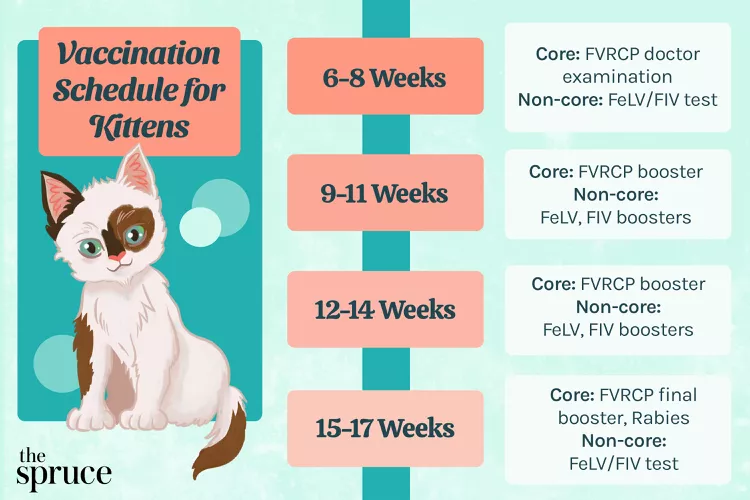
Kitten Vaccine Schedule
What vaccines does your kitten need? Learn the typical kitten vaccination schedule and find out what diseases your kitten should be immunized against.
13 Cats Who Love Christmas
Christmas time is exciting for animals too! Check out these 13 cute cats who love Christmas just as much as us humans.
275 Best Male Cat Names for Your Handsome Kitty
There are plenty of male cat names to choose from if you’re looking to add a new tomcat to the family. Here are 275 of our favorite choices for male cat names.
10 Unique Bobtail Cat Breeds
Bobtail cat breeds, including the Manx and Cymric, result from natural genetic mutations. Learn whether one of these cats is right for you.
15 Top Cat Breeds With Big Eyes
A cat with big eyes like a Persian or sphynx has an expressive look that brings out its personality. Take a look at 15 breeds with big peepers.
Khao Manee: Cat Breed Profile, Characteristics & Care
The khao manee (diamond eye cat) is a rare white cat with gem-like eyes and a friendly personality. Learn about the khao manee breed.
How to Care for a Hairless Cat
Hairless cats make great pets but they aren't without their own challenges and requirements. Read on to learn how to best care for your furless feline.
10 Most Intelligent Cat Breeds
Looking for a smart cat? Learn about the pros and cons of 10 intelligent cat breeds, including Burmese and Siamese, to decide if one is right for you.
Top Ten Essential Dog Training Supplies
You don't need a lot of special equipment to train a dog, but some items make it easier. Learn which dog training supplies to get for your dog.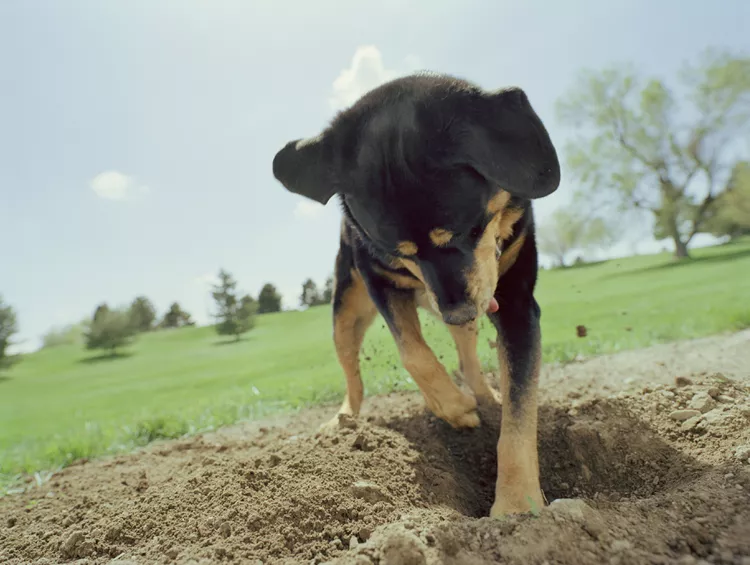
Why Dogs Bury Bones and Other Objects
If you give a dog a bone, he might bury it. Why is that? Learn about this burying behavior in dogs and what it means for your pet.
How to Train Your Dog to Fetch
Not all dogs instinctively know how to play fetch. Learn how to teach your dog to fetch a ball and bring it back for a fun interactive game.
Top 10 Basic Dog Training Commands
Learn basic dog training commands that every dog should know. These can help you overcome common behavior problems and keep your dog safe.
How to Solve Your Dog's Fear of Children
Find out why your dog is afraid of kids and learn ways you can help your canine buddy deal with this phobia.
How to Safely Break Up a Dogfight
A dogfight can be a terrifying event to witness, and trying to break one up can be extremely dangerous. Find out how to stop one without getting injured.
Can Dogs Eat Almonds? Understanding the Risks and Guidelines
Can dogs eat almonds? While a couple likely won't hurt, it's best to avoid feeding your dog this nut. Learn the risks here.
Dog Food Basics
Are you feeding your dog the best way possible? Check out these dog feeding tips to keep your dog healthy and happy.
Can Dogs Eat Edamame? Safety, Benefits, and Prep Tips
Edamame is a protein-rich legume that's safe for dogs to eat in moderation. Learn more about its health benefits, potential risks, and how to prepare it for your pup.
Keeshond: Dog Breed Characteristics & Care
Learn about the keeshond dog, also known as the Dutch Barge Dog. This fluffy spitz breed was bred to guard, but also makes a friendly companion.
Can Dogs Eat Bread?
Is bread a safe snack for you dog? Are there kinds of bread you should avoid? Learn more about whether it's okay to feed your dog bread.
Can Dogs Eat Popsicles?
You might be wondering can dogs eat popsicles? Certain types of frozen treats are safe for your dog, but you need to be aware of ingredients and allergies