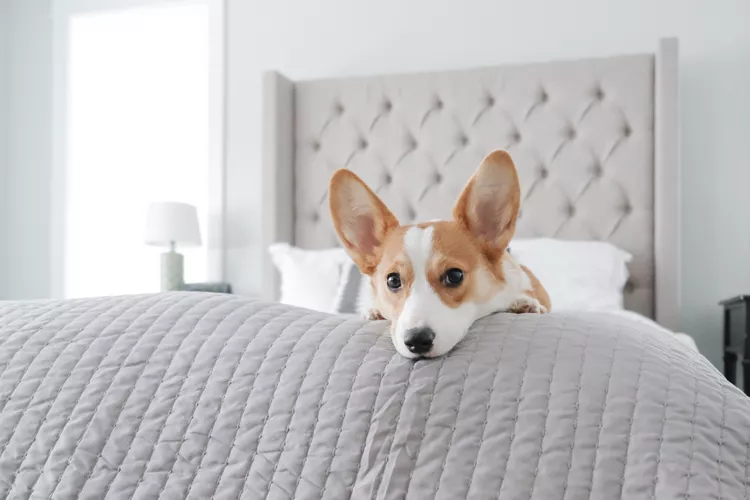
If your dog is peeing on your bed, you are likely beyond frustrated. Dog urine can ruin your bed. Plus, if you don't use a urine detector to find and clean the stain, the scent may attract your dog, and they might just pee again.
Your bed is appealing, soft, absorbent, and smells like you. Naturally, your dog wants to spend a lot of time there. Many people think that dogs pee on their owners' beds as an act of dominance or rebellion. However, the reasons may be more complicated than this.
Why does your dog pee on your bed? What can be done about it? Is it happening all of a sudden? The first step to solving this problematic behavior is to determine the cause for it. You may need to visit your veterinarian for help with inappropriate urination, but you also have some at-home options.
There are several possible reasons your dog is peeing on your bed. It's important to begin by ruling out medical causes before you try to address potential behavioral problems.
Urinary tract infections commonly cause dogs to have urinary accidents. Your vet may need a urine sample to run a urinalysis. If your dog does have a UTI, antibiotics will be needed to clear it up. Other issues with the urinary tract can make it difficult for dogs to control bladder activity.
Other possible urinary problems seen in dogs include cystitis (inflammation of the bladder), crystals in the urine, bladder stones, structural abnormalities, kidney disease, and even tumors. Most urinary issues can be treated with medications, supplements, or diet changes. In more extreme cases, issues like bladder stones may require surgery.
Certain diseases like diabetes and Cushing's disease can affect the urinary tract, as well.
Dogs with urinary incontinence will leak urine involuntarily. This may occur only while the dog is asleep, but some dogs with incontinence will dribble urine while they are awake as well. Incontinence is relatively common in senior dogs, but certain conditions can cause incontinence in young dogs, as well. Hormone-responsive urinary incontinence is not uncommon in female dogs and may even affect males, though more rarely. Fortunately, medications are available to help.
Is your dog fully housetrained? Some dogs will appear to be mostly housetrained but then will find a favorite place to relieve themselves indoors. This may be your bed! If you think housetraining is the issue, then it's time to work more with your dog on training.
Excitement urination is common in younger dogs. They tend to dribble some urine when they are overly excited or are put in a submissive position. Many dogs grow out of this behavior, but some will need training if it continues into adulthood.
Fear, stress, and anxiety can all cause a dog to urinate inappropriately. Changes to your dog's environment may explain sudden stress. However, underlying medical conditions also cause stress to your dog. Rule out health problems first, then try to reduce your dog's stress as much as possible.
Some dogs are more territorial than others. Many like to mark their territory with urine. However, when they do this to your bed, it becomes a major problem for you. Territorial marking can be minimized through training and behavior modification.
If your dog has been peeing on your bed, you should first contact your veterinarian. Your vet will likely want to perform a physical examination and collect a urine sample for a urinalysis. Additional lab tests and even radiographs (X-rays) may be needed in some cases. Your veterinarian will discuss a treatment plan with you based on the findings.
If your vet rules out all potential medical reasons for your dog's inappropriate urination, then it's time to work on correcting the behavior.
First, assess your dog's environment. Have there been any changes that could be causing stress? Events like moving, the birth of a baby, the addition or subtraction of a pet or family member, and even your own life stress can cause your dog to become stressed, fearful, or anxious. An anxious or fearful dog is unable to learn new things, so you will need to reduce stress before you work on training. Your vet may be able to help with anti-anxiety medications or supplements.
When training your dog to stop peeing on your bed, you must first restrict access to your bed when you are not around. Keep the bedroom door closed while you are gone. If needed, keep your dog in a crate when you're gone. When you are home, be sure to take your dog outside for pee breaks frequently. Only allow your dog to get on the bed when you are on the bed.
If your dog begins to urinate somewhere else that is inappropriate, then the crate is the best place for him when you are gone. Take your dog out to pee as soon as you get home. Then, take him out again every time he eats, drinks, or wakes up. Reward him for urinating outdoors, but do not punish him for urination inappropriately. If you catch your dog in the act of peeing in the bed or somewhere else inappropriate, interrupt him with "uh oh" or "no," then immediately bring him outside to finish.
Training to correct inappropriate urination can take time and may become frustrating. Seek help from a dog trainer or animal behaviorist if you are not seeing good results.

Kitten Vaccine Schedule
What vaccines does your kitten need? Learn the typical kitten vaccination schedule and find out what diseases your kitten should be immunized against.
13 Cats Who Love Christmas
Christmas time is exciting for animals too! Check out these 13 cute cats who love Christmas just as much as us humans.
275 Best Male Cat Names for Your Handsome Kitty
There are plenty of male cat names to choose from if you’re looking to add a new tomcat to the family. Here are 275 of our favorite choices for male cat names.
10 Unique Bobtail Cat Breeds
Bobtail cat breeds, including the Manx and Cymric, result from natural genetic mutations. Learn whether one of these cats is right for you.
15 Top Cat Breeds With Big Eyes
A cat with big eyes like a Persian or sphynx has an expressive look that brings out its personality. Take a look at 15 breeds with big peepers.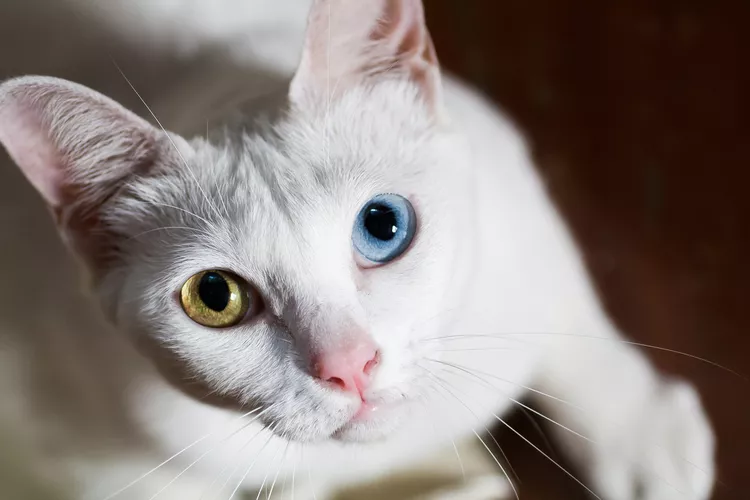
Khao Manee: Cat Breed Profile, Characteristics & Care
The khao manee (diamond eye cat) is a rare white cat with gem-like eyes and a friendly personality. Learn about the khao manee breed.
How to Care for a Hairless Cat
Hairless cats make great pets but they aren't without their own challenges and requirements. Read on to learn how to best care for your furless feline.
10 Most Intelligent Cat Breeds
Looking for a smart cat? Learn about the pros and cons of 10 intelligent cat breeds, including Burmese and Siamese, to decide if one is right for you.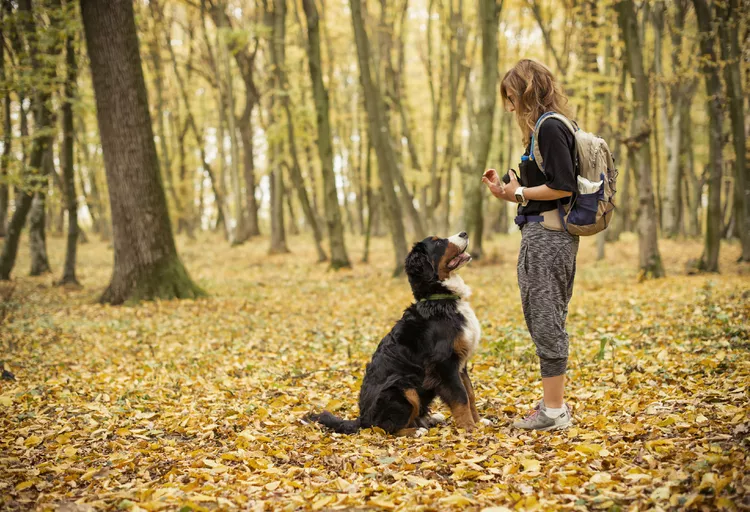
Top Ten Essential Dog Training Supplies
You don't need a lot of special equipment to train a dog, but some items make it easier. Learn which dog training supplies to get for your dog.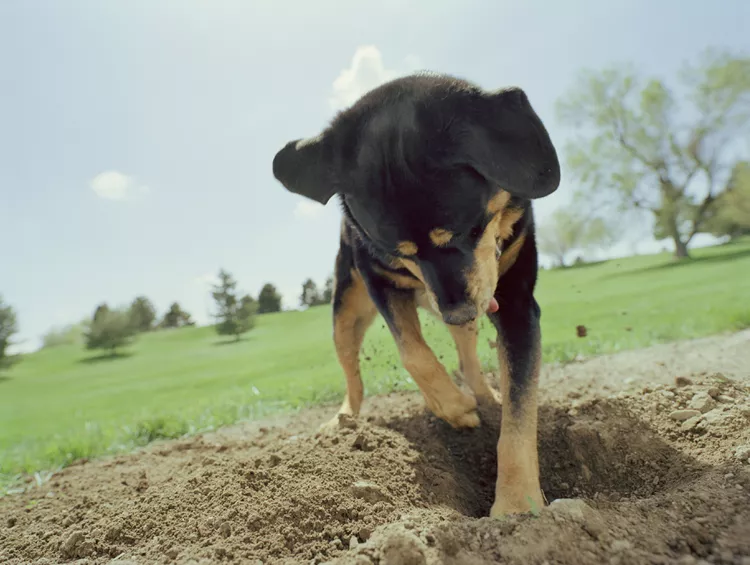
Why Dogs Bury Bones and Other Objects
If you give a dog a bone, he might bury it. Why is that? Learn about this burying behavior in dogs and what it means for your pet.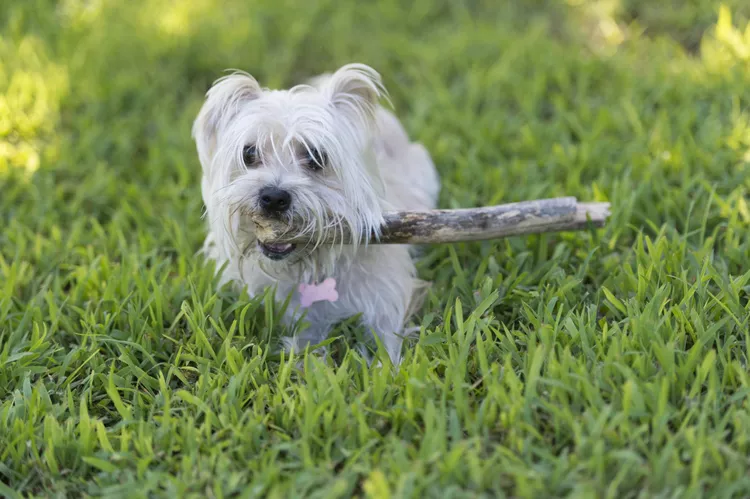
How to Train Your Dog to Fetch
Not all dogs instinctively know how to play fetch. Learn how to teach your dog to fetch a ball and bring it back for a fun interactive game.
Top 10 Basic Dog Training Commands
Learn basic dog training commands that every dog should know. These can help you overcome common behavior problems and keep your dog safe.
How to Solve Your Dog's Fear of Children
Find out why your dog is afraid of kids and learn ways you can help your canine buddy deal with this phobia.
How to Safely Break Up a Dogfight
A dogfight can be a terrifying event to witness, and trying to break one up can be extremely dangerous. Find out how to stop one without getting injured.
Can Dogs Eat Almonds? Understanding the Risks and Guidelines
Can dogs eat almonds? While a couple likely won't hurt, it's best to avoid feeding your dog this nut. Learn the risks here.
Dog Food Basics
Are you feeding your dog the best way possible? Check out these dog feeding tips to keep your dog healthy and happy.
Can Dogs Eat Edamame? Safety, Benefits, and Prep Tips
Edamame is a protein-rich legume that's safe for dogs to eat in moderation. Learn more about its health benefits, potential risks, and how to prepare it for your pup.
Keeshond: Dog Breed Characteristics & Care
Learn about the keeshond dog, also known as the Dutch Barge Dog. This fluffy spitz breed was bred to guard, but also makes a friendly companion.
Can Dogs Eat Bread?
Is bread a safe snack for you dog? Are there kinds of bread you should avoid? Learn more about whether it's okay to feed your dog bread.
Can Dogs Eat Popsicles?
You might be wondering can dogs eat popsicles? Certain types of frozen treats are safe for your dog, but you need to be aware of ingredients and allergies