Shrimp is a popular seafood item. Whether it’s grilled, fried, or shrimp cocktail, the average American eats about 4 pounds of shrimp each year. It’s low in calories but high in omega 3 fatty acids as well as iodine and other vitamins and minerals. What if your pup sneaks a piece of shrimp during meal prep or dinner? Is shrimp bad for dogs?
The short answer here is maybe—in small amounts and depending on the dog. Shrimp can be packed with nutrients. In addition to omega 3 fatty acids and iodine, it can be a great source of selenium, Vitamin B12, choline, copper, and phosphorus.
Iodine is vital to help regulate thyroid function. Selenium is a powerful antioxidant. Vitamin B12 (sometimes called cobalamin) has beneficial effects for both the brain and nervous system as well as red blood cell formation. Choline helps with memory, mood, and muscle control. Copper aids in the absorption of iron. It also works with that iron to also aid in red blood cell formation. It can even aid in the prevention of heart disease and osteoporosis. Phosphorous is used in the formation of bones as well as teeth.
These health benefits in people mean that shrimp could be a nutritious snack in small, controlled amounts for many dogs, too. However, your dog is already receiving all of the nutrition, vitamins, and minerals they need through their commercial dog food. But any treat, including shrimp, should not make up more than ten percent of your dog's daily food intake. Giving more than this could lead to a nutritional imbalance or health condition.
While shrimp can be packed with vitamins and minerals, there are things to know before feeding them to your dog. In people, the rate of shellfish allergy ranges between 0.5-2.5 percent of the general population. While there isn’t any hard research on the actual numbers in dogs, it is believed that it is just as equally rare for dogs to have shellfish allergies. In fact, in one study, the most common food allergens were listed as being beef, dairy, chicken, wheat, and lamb, with beef being the most common of the five and lamb being the least.
That being said, it’s still possible for a dog to have a shellfish allergy. While most dogs exhibit food allergies as either gastrointestinal upset or skin/ear infections, an anaphylactic reaction is always possible. If you notice your dog having facial swelling, hives, or any difficulty breathing, seek veterinary care immediately.
Just because shrimp is full of nutrients doesn’t mean it’s healthy regardless of how it’s prepared. This goes for people as well as dogs. There’s a reason restaurants note the danger of eating raw or undercooked shrimp on their menus.
Consuming raw shrimp, whether in sushi, sashimi, or ceviche, can lead to something called vibriosis. This is an infection caused by a marine bacterium called Vibrio vulnificus. While most cases resolve, about 20 percent of cases in people leads to death. Another bacterial contaminant in raw shrimp can include another species of the Vibrio genera and that’s Vibrio cholerae. You may have already guessed, but this bacteria can actually cause cholera. While this may seem like an illness from hundreds of years ago, it’s still prevalent in many parts of the globe.
Raw shrimp doesn’t just carry a risk of bacterial infection, though. Shrimp can also be contaminated with parasites. If not prepared safely, there’s a real risk those parasites can be transferred to whoever eats it, whether that’s you or your dog.
Fried shrimp is also something to avoid. The extra grease and fat can lead to stomach upset such as vomiting, diarrhea, and even pancreatitis. It can also predispose your dog to weight gain.
The "peel and eat" style of shrimp would be suitable because they are precooked. Just know that you still have to peel them for your pup. The chitinous outer layer that is peeled off cannot be easily digested by dogs and, as such, may cause gastrointestinal upset. For this reason, you should never feed shrimp tails to your dog, either.
Small quantities of grilled shrimp can be safely fed to dogs as long as there are no added sauces or seasoning. Be sure to grill them to proper internal temperature so that they are safe for consumption. Boiling would be another way to prepare shrimp for your dog, if grilling is not an option. Again, just be sure they are cooked through.
If you are purchasing fresh or frozen shrimp to cook for your dog, you also need to remember to devein them. The tail vein, as it’s commonly called, runs along the back of the shrimp. The term "vein" is a bit of a misnomer, as its actually part of the shrimp’s GI tract. It is imperative to always devein shrimp before cooking, whether for you or your pooch.
So while shrimp may have some nutritional benefits for your dog, there are definitely things to know about before feeding them some. The most important takeaway is that moderation is key—an occasional bite of plain cooked shrimp should be safe for most dogs.
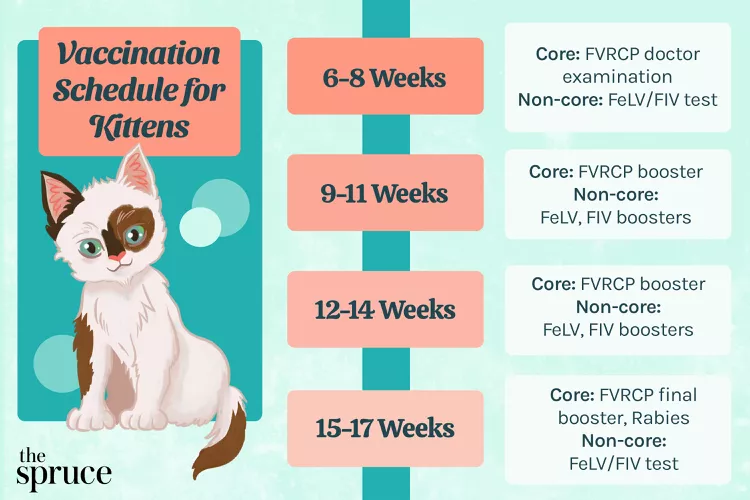
Kitten Vaccine Schedule
What vaccines does your kitten need? Learn the typical kitten vaccination schedule and find out what diseases your kitten should be immunized against.
13 Cats Who Love Christmas
Christmas time is exciting for animals too! Check out these 13 cute cats who love Christmas just as much as us humans.
275 Best Male Cat Names for Your Handsome Kitty
There are plenty of male cat names to choose from if you’re looking to add a new tomcat to the family. Here are 275 of our favorite choices for male cat names.
10 Unique Bobtail Cat Breeds
Bobtail cat breeds, including the Manx and Cymric, result from natural genetic mutations. Learn whether one of these cats is right for you.
15 Top Cat Breeds With Big Eyes
A cat with big eyes like a Persian or sphynx has an expressive look that brings out its personality. Take a look at 15 breeds with big peepers.
Khao Manee: Cat Breed Profile, Characteristics & Care
The khao manee (diamond eye cat) is a rare white cat with gem-like eyes and a friendly personality. Learn about the khao manee breed.
How to Care for a Hairless Cat
Hairless cats make great pets but they aren't without their own challenges and requirements. Read on to learn how to best care for your furless feline.
10 Most Intelligent Cat Breeds
Looking for a smart cat? Learn about the pros and cons of 10 intelligent cat breeds, including Burmese and Siamese, to decide if one is right for you.
Top Ten Essential Dog Training Supplies
You don't need a lot of special equipment to train a dog, but some items make it easier. Learn which dog training supplies to get for your dog.
Why Dogs Bury Bones and Other Objects
If you give a dog a bone, he might bury it. Why is that? Learn about this burying behavior in dogs and what it means for your pet.
How to Train Your Dog to Fetch
Not all dogs instinctively know how to play fetch. Learn how to teach your dog to fetch a ball and bring it back for a fun interactive game.
Top 10 Basic Dog Training Commands
Learn basic dog training commands that every dog should know. These can help you overcome common behavior problems and keep your dog safe.
How to Solve Your Dog's Fear of Children
Find out why your dog is afraid of kids and learn ways you can help your canine buddy deal with this phobia.
How to Safely Break Up a Dogfight
A dogfight can be a terrifying event to witness, and trying to break one up can be extremely dangerous. Find out how to stop one without getting injured.
Can Dogs Eat Almonds? Understanding the Risks and Guidelines
Can dogs eat almonds? While a couple likely won't hurt, it's best to avoid feeding your dog this nut. Learn the risks here.
Dog Food Basics
Are you feeding your dog the best way possible? Check out these dog feeding tips to keep your dog healthy and happy.
Can Dogs Eat Edamame? Safety, Benefits, and Prep Tips
Edamame is a protein-rich legume that's safe for dogs to eat in moderation. Learn more about its health benefits, potential risks, and how to prepare it for your pup.
Keeshond: Dog Breed Characteristics & Care
Learn about the keeshond dog, also known as the Dutch Barge Dog. This fluffy spitz breed was bred to guard, but also makes a friendly companion.
Can Dogs Eat Bread?
Is bread a safe snack for you dog? Are there kinds of bread you should avoid? Learn more about whether it's okay to feed your dog bread.
Can Dogs Eat Popsicles?
You might be wondering can dogs eat popsicles? Certain types of frozen treats are safe for your dog, but you need to be aware of ingredients and allergies