We have all heard the common phrase the dog days of summer, and, sometimes, to beat the heat, popsicles are a great option to keep cool. But is it ok to share with your canine friends?
The short answer is yes, but not all popsicles and frozen treats are ok for your dogs. When feeding your dog any food, it is important to be aware of all the ingredients and your dog’s intolerances and allergies. As with any new food, it is always wise to introduce it to your dog slowly, so you can easily determine if your dog has an untoward reaction or any trouble digesting the food.
Instead of sharing your popsicle with your canine friend, it is recommended to make nutritious and healthy popsicles for your dog’s using fruits that are good for them such as apples or bananas.
As with everything, moderation is key. Too many treats, on top of a healthy diet, can lead to canine obesity and this can wreak havoc on your dog's body, especially if your dog is prone to joint issues like hip dysplasia.
Many manufactured popsicles include frozen dairy items such as ice-cream or frozen yogurt. Although, in some cases, these can be offered in small portions, they can also cause gastrointestinal upset including gas, diarrhea, bloating, abdominal discomfort, and vomiting. Many dogs are lactose intolerant meaning that they have difficulty digesting milk and other dairy products.
Popsicles designed for humans can also include toxic substances such as the artificial sweetener xylitol, macadamia nuts, and raisins. Xylitol and raisins are toxic to dogs even in small amounts, so they should be always avoided.
Additionally, some popsicles contain chocolate, and the theobromine in this can lead to toxicity in dogs. If the chocolate in the popsicle or ice cream is dark with a high cocoa content, only a small amount needs to be ingested to cause problems. Dogs may experience gastrointestinal, central nervous, and cardiac troubles
Even if the sugar, artificial flavors, or sweeteners that are common in popsicles are not toxic, they can contribute to obesity and can be a particular problem for dogs with diabetes.
Healthy frozen treats can be helpful to keep your dog cool on hot days, as a special treat to reward your dog, and for enrichment.
Providing your dog with enrichment is a crucial part of their care. It helps to prevent boredom and obesity, decreases anxiety and stress, gives the dog some control of their environment, and can help to prevent behavior problems.
Food puzzles are a great option to provide your dogs with enrichment and with many of them, they can be frozen to increase the challenge and provide a long-lasting dog treat.
Below are some safe and healthy options for healthy frozen treats and homemade popsicles.
A Classic Kong and the West Paw Toppl are both great dog toys that, when filled appropriately, can occupy just about any dog. They are both non-toxic, dishwasher-safe, rubbery toys with a hollow center. There are many other food puzzles options on the market you can try as well. When stuffed with food, they provide a healthy outlet for your dog to chew and lick.
After filling, you can freeze to make them more challenging for your dog and to provide a cool treat. There are various safe and healthy fillings you can stuff into these toys for your dog to enjoy. A few ideas include:
Mix the desired ingredients together, fill the treat toy, seal the top with peanut butter, squeeze cheese, or Kong paste and then freeze for at least two hours or, ideally, overnight before serving.
An awesome bonus to freezing them is you can keep some in the freezer for whenever you need them. An example might be when you are having work done in your home, you can give your dog a frozen Kong in their safe place prior to the person entering. This can help minimize stress and keep them occupied.
Frozen green beans, banana chunks, strawberries, blueberries, and peach chunks are just a few examples of safe fruits and veggies that can be frozen and given as a quick treat for your dog. If you’re purchasing packaged frozen items from the grocery store, be sure to read the labels to ensure there is no added xylitol. They can also be blended into a smoothie that can be frozen and made into homemade popsicles.
There are lots of other options for making cool frozen treats for your dogs too. Just make sure whatever you introduce is healthy and appropriate for dogs, fed in moderation, and introduced gradually. Alterations to your dog's usual diet should make up no more than 10% of their daily calorie allowance to prevent issues with nutritional imbalance.
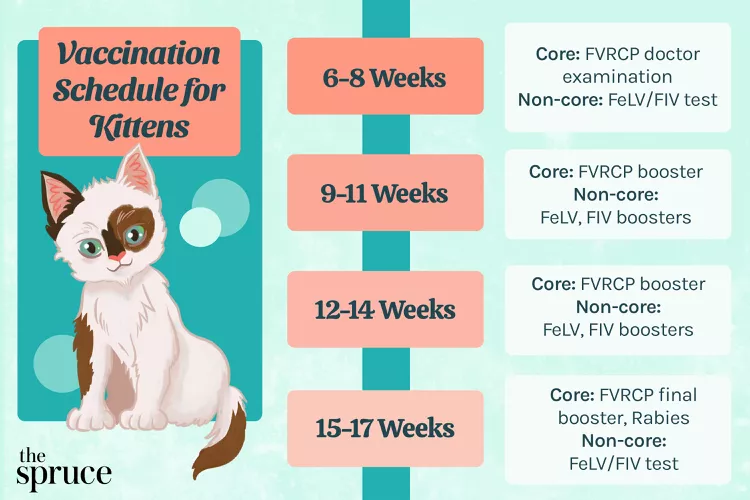
Kitten Vaccine Schedule
What vaccines does your kitten need? Learn the typical kitten vaccination schedule and find out what diseases your kitten should be immunized against.
13 Cats Who Love Christmas
Christmas time is exciting for animals too! Check out these 13 cute cats who love Christmas just as much as us humans.
275 Best Male Cat Names for Your Handsome Kitty
There are plenty of male cat names to choose from if you’re looking to add a new tomcat to the family. Here are 275 of our favorite choices for male cat names.
10 Unique Bobtail Cat Breeds
Bobtail cat breeds, including the Manx and Cymric, result from natural genetic mutations. Learn whether one of these cats is right for you.
15 Top Cat Breeds With Big Eyes
A cat with big eyes like a Persian or sphynx has an expressive look that brings out its personality. Take a look at 15 breeds with big peepers.
Khao Manee: Cat Breed Profile, Characteristics & Care
The khao manee (diamond eye cat) is a rare white cat with gem-like eyes and a friendly personality. Learn about the khao manee breed.
How to Care for a Hairless Cat
Hairless cats make great pets but they aren't without their own challenges and requirements. Read on to learn how to best care for your furless feline.
10 Most Intelligent Cat Breeds
Looking for a smart cat? Learn about the pros and cons of 10 intelligent cat breeds, including Burmese and Siamese, to decide if one is right for you.
Top Ten Essential Dog Training Supplies
You don't need a lot of special equipment to train a dog, but some items make it easier. Learn which dog training supplies to get for your dog.
Why Dogs Bury Bones and Other Objects
If you give a dog a bone, he might bury it. Why is that? Learn about this burying behavior in dogs and what it means for your pet.
How to Train Your Dog to Fetch
Not all dogs instinctively know how to play fetch. Learn how to teach your dog to fetch a ball and bring it back for a fun interactive game.
Top 10 Basic Dog Training Commands
Learn basic dog training commands that every dog should know. These can help you overcome common behavior problems and keep your dog safe.
How to Solve Your Dog's Fear of Children
Find out why your dog is afraid of kids and learn ways you can help your canine buddy deal with this phobia.
How to Safely Break Up a Dogfight
A dogfight can be a terrifying event to witness, and trying to break one up can be extremely dangerous. Find out how to stop one without getting injured.
Can Dogs Eat Almonds? Understanding the Risks and Guidelines
Can dogs eat almonds? While a couple likely won't hurt, it's best to avoid feeding your dog this nut. Learn the risks here.
Dog Food Basics
Are you feeding your dog the best way possible? Check out these dog feeding tips to keep your dog healthy and happy.
Can Dogs Eat Edamame? Safety, Benefits, and Prep Tips
Edamame is a protein-rich legume that's safe for dogs to eat in moderation. Learn more about its health benefits, potential risks, and how to prepare it for your pup.
Keeshond: Dog Breed Characteristics & Care
Learn about the keeshond dog, also known as the Dutch Barge Dog. This fluffy spitz breed was bred to guard, but also makes a friendly companion.
Can Dogs Eat Bread?
Is bread a safe snack for you dog? Are there kinds of bread you should avoid? Learn more about whether it's okay to feed your dog bread.
Can Dogs Eat Popsicles?
You might be wondering can dogs eat popsicles? Certain types of frozen treats are safe for your dog, but you need to be aware of ingredients and allergies