Do you sometimes sprinkle grated Parmesan cheese on your dog's food to entice them to eat? Maybe you've stopped and wondered if your dog should be eating Parmesan.
Parmesan is a hard, aged cheese originating from the Reggio Emilia, Parma region of Italy. It is a hard cheese, meaning it is low in lactose, as opposed to softer cheeses such as mozzarella and brie. It is also an aged cheese (sometimes aged up to 12 months), meaning it is higher in sodium than non-aged cheeses. It's important to note that 'true' Parmesan cheese is more commonly called Parmigiano-Reggiano in the United States. While the Parmesan you can purchase pre-grated in plastic shakers is technically Parmesan cheese, these contain preservatives not used in classic Parmesan.
Most dogs are actually lactose intolerant to a point. Dogs lack the enzyme lactase needed to break down the milk sugar lactose. A healthy dog may be able to tolerate up to 2 g of lactose per kg of body weight. There's 2.2 lbs in 1 kg, so if you know your dog's weight in pounds, simply divide by 2.2 to determine their weight in kilograms. Grated Parmesan may contain anywhere from 2.9% to 3.7% lactose, while fresh Parmigiano-Reggiano may contain anywhere from 0 to 3.2% lactose. Since Parmesan is a hard cheese with less lactose in it than some other, softer cheeses, it may be easier for your pup to digest.
The aging process means it will naturally be higher in sodium than other cheese varieties. When Parmesan was first created, salt was the most commonly used natural preservative, so it remains a high source of salt. This can be a health concern for healthy dogs but especially for dogs with certain diseases, including heart and kidney disease. If your dog has a heart or kidney condition, you should avoid feeding them Parmesan, as salt toxicity is something that can happen in dogs. For most healthy, adult dogs, a toxic dose of salt is ~4000 mg of salt per kg of body weight. Dogs with heart disease or kidney disease will be even more sensitive to salt. Parmesan cheese has about 76 mg of salt per tablespoon of cheese. A healthy dog will need to ingest a large amount of cheese for it to be considered deadly, but that doesn't mean non-lethal doses are healthy. A dog should consume no more than 1 mg of salt per kg of body weight per day. Keep in mind, though, that your dog is consuming salt in their diet and other treats, not just Parmesan.
Due to its low lactose level, Parmesan can be easier on your dog's GI system than other cheeses. In large amounts, though, your dog can still experience gastrointestinal upset. If your dog is intolerant of the lactose in Parmesan you may see any of the following:
Since Parmesan is higher in salt content than it is in lactose, signs of salt toxicity will be more commonly seen than signs of lactose intolerance. A dog that has consumed too much salty Parmesan will exhibit the following symptoms:
True cases of salt toxicity, if not treated immediately, can lead to coma and death, so if your dog eats Parmesan and you then notice any of the above symptoms, seek veterinary attention immediately.
If your dog eats Parmesan, first try to determine how much Parmesan they ate. Depending if you have a shaker bottle of grated Parmesan or a block of it, this may be more or less difficult to figure out accurately. If they ate a large amount of cheese (relative to how big your dog is—a 5 lb dog eating a whole shaker bottle of Parmesan will be affected differently than a 55 lb dog eating that same shaker bottle of Parmesan), you can call your vet or Pet Poison Control to determine if you should seek medical attention now or if you should ride it out and monitor for symptoms. In the United States you can call (888) 426-4435 to contact the ASPCA Pet Poison Hotline or (855) 764-7661 to contact the Pet Poison Helpline.
If the hotline does recommend a vet visit, they will give you a case number to then give your veterinarian. This is helpful for your veterinarian as they can call the hotline and get
specific recommendations from the veterinary toxicologist for your dog. While most veterinarians know what is poisonous for your dog to consume and what isn't, there are so many toxins your dog can get into, there is a different treatment for each, and the treatment plans can change based on a dog's medical history and how they are responding to therapy. The veterinarians that work at pet poison control centers are essentially veterinary specialists when it comes to toxin ingestion.
While most dogs can eat small amounts of cheese and not have any lasting side effects, not all cheeses are created the same. Parmesan cheese, with it's high salt content, isn't the best dog treat or food topper. Instead, opt for something like cottage cheese. This is a much healthier product for your dog to be snacking on.
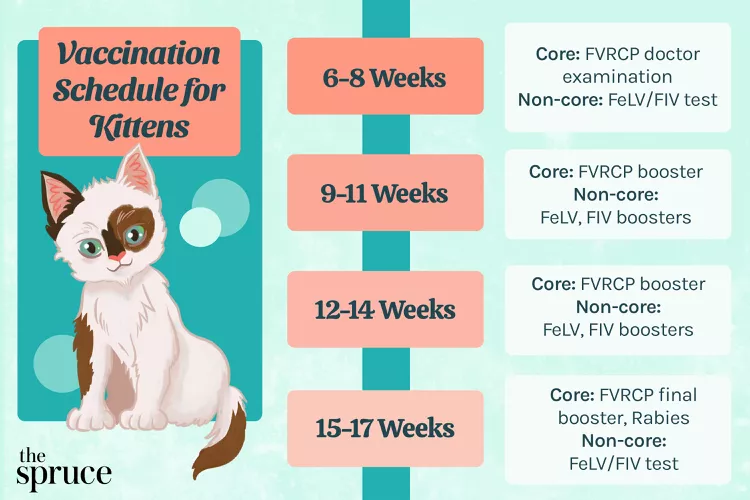
Kitten Vaccine Schedule
What vaccines does your kitten need? Learn the typical kitten vaccination schedule and find out what diseases your kitten should be immunized against.
13 Cats Who Love Christmas
Christmas time is exciting for animals too! Check out these 13 cute cats who love Christmas just as much as us humans.
275 Best Male Cat Names for Your Handsome Kitty
There are plenty of male cat names to choose from if you’re looking to add a new tomcat to the family. Here are 275 of our favorite choices for male cat names.
10 Unique Bobtail Cat Breeds
Bobtail cat breeds, including the Manx and Cymric, result from natural genetic mutations. Learn whether one of these cats is right for you.
15 Top Cat Breeds With Big Eyes
A cat with big eyes like a Persian or sphynx has an expressive look that brings out its personality. Take a look at 15 breeds with big peepers.
Khao Manee: Cat Breed Profile, Characteristics & Care
The khao manee (diamond eye cat) is a rare white cat with gem-like eyes and a friendly personality. Learn about the khao manee breed.
How to Care for a Hairless Cat
Hairless cats make great pets but they aren't without their own challenges and requirements. Read on to learn how to best care for your furless feline.
10 Most Intelligent Cat Breeds
Looking for a smart cat? Learn about the pros and cons of 10 intelligent cat breeds, including Burmese and Siamese, to decide if one is right for you.
Top Ten Essential Dog Training Supplies
You don't need a lot of special equipment to train a dog, but some items make it easier. Learn which dog training supplies to get for your dog.
Why Dogs Bury Bones and Other Objects
If you give a dog a bone, he might bury it. Why is that? Learn about this burying behavior in dogs and what it means for your pet.
How to Train Your Dog to Fetch
Not all dogs instinctively know how to play fetch. Learn how to teach your dog to fetch a ball and bring it back for a fun interactive game.
Top 10 Basic Dog Training Commands
Learn basic dog training commands that every dog should know. These can help you overcome common behavior problems and keep your dog safe.
How to Solve Your Dog's Fear of Children
Find out why your dog is afraid of kids and learn ways you can help your canine buddy deal with this phobia.
How to Safely Break Up a Dogfight
A dogfight can be a terrifying event to witness, and trying to break one up can be extremely dangerous. Find out how to stop one without getting injured.
Can Dogs Eat Almonds? Understanding the Risks and Guidelines
Can dogs eat almonds? While a couple likely won't hurt, it's best to avoid feeding your dog this nut. Learn the risks here.
Dog Food Basics
Are you feeding your dog the best way possible? Check out these dog feeding tips to keep your dog healthy and happy.
Can Dogs Eat Edamame? Safety, Benefits, and Prep Tips
Edamame is a protein-rich legume that's safe for dogs to eat in moderation. Learn more about its health benefits, potential risks, and how to prepare it for your pup.
Keeshond: Dog Breed Characteristics & Care
Learn about the keeshond dog, also known as the Dutch Barge Dog. This fluffy spitz breed was bred to guard, but also makes a friendly companion.
Can Dogs Eat Bread?
Is bread a safe snack for you dog? Are there kinds of bread you should avoid? Learn more about whether it's okay to feed your dog bread.
Can Dogs Eat Popsicles?
You might be wondering can dogs eat popsicles? Certain types of frozen treats are safe for your dog, but you need to be aware of ingredients and allergies