Found in smoothies, salads, and various health foods, kale is considered a superfood for humans, with benefits ranging from improving vision to even warding off cancer and other diseases. So it's no surprise that many pet owners wonder if it's safe to share some of these disease-fighting benefits with their favorite four-legged friend.
The problem with kale for dogs is that even though the health benefits for humans may be seemingly endless, the benefits for canines haven't been thoroughly investigated. The other issue is that kale contains certain natural compounds, including calcium oxalate and isothiocyanates, that can be harmful for dogs.
Calcium oxalate can lead to health issues including kidney and bladder stones. Dogs that are already prone to these issues should avoid kale and other foods that contain calcium oxalate, which include spinach, beet greens and roots of beets, collards, parsley, leeks, quinoa, okra, and Swiss chard. Although kidney and bladder stones are usually treatable, veterinary experts warn that it simply might not be worth the risk.
Found in both kale and broccoli, as well as a few other leafy greens, isothiocyanates are another natural compound associated with potential health risks for dogs. Interestingly enough, that same compound is believed to be something of a cancer fighter in humans. Isothiocyanates can cause gastric irritation in some dogs, ranging from mild to severe, and even be potentially fatal in large amounts.
Because both broccoli and kale contain similar levels of this compound, they are both only considered safe for dogs if the total amount ingested is less than 10 percent of their daily intake. If your dog consumed over 25 percent of their intake, that's when the kale may become potentially toxic. Keep in mind that 25 percent might not be all that much for a larger breed, but if you have a Shih Tzu or other small or toy breed at home, just a few kale stalks can be dangerous.
One other potential concern with kale is that it can negatively impact your dog's thyroid function if offered on a regular basis. Dogs who already have hypothyroidism can also suffer from medication interactions if they consume large amounts of kale on a regular basis.
As a result, occasionally offering your pooch small amounts of kale likely won't cause any damage, but some veterinarians may caution against using kale as a treat or regular component of a homemade diet, particularly if your pet already has certain underlying medical issues.
While the jury still seems to be out on exactly how much kale (and other similar veggies) can benefit our pets, we do know that kale is jam-packed with numerous vitamins and minerals, while being rich in fiber and low in calories. It's an excellent source of vitamins including A, K, and C, as well as nutrients such as iron, calcium, magnesium, copper, and potassium. Rich in beta-carotene, kale is often touted as having potential cancer-fighting properties as well as helping to boost vision and overall eye health.
Will your dog reap some of these benefits if you occasionally offer him kale? The answer is most likely yes. But because there are some potential risks associated with kale, pet owners should discuss whether the potential risks outweigh the benefits with their dog's veterinarian.
If you do opt to feed kale to your dog, be sure that it's thoroughly washed to remove any residual pesticides. It can be cooked or steamed without adding any seasonings, some of which can be harmful for dogs, and cut into bite-sized pieces to reduce the risk or choking and make the greens easier for your pooch to digest. Some pet owners even puree the kale before adding it to their dog's regular food for an extra nutrient boost.
While a small amount of kale is probably harmless, not all dogs will react the same way. And, of course, your dog's size will play a significant role in the kind of reaction he or she may have to a human food like kale.
Every dog is unique, and what irritates some dogs is safe to feed others. As always, be sure to check in with your veterinarian before offering kale, and monitor your dog closely after offering a small amount the first time to ensure that their digestive system can tolerate it.
If your dog manages to steal a significant amount of kale from your plate, the first thing to do is monitor him or her closely for any signs of intestinal upset, including vomiting or diarrhea, as well as potential signs of kidney or bladder stones, which may include difficulty urinating or other changes in their typical urination habits. If these symptoms are detected, you will need to alert your veterinarian immediately.
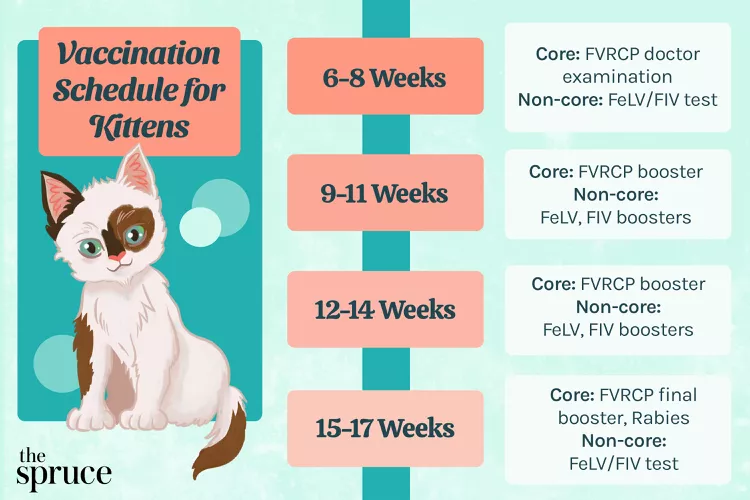
Kitten Vaccine Schedule
What vaccines does your kitten need? Learn the typical kitten vaccination schedule and find out what diseases your kitten should be immunized against.
13 Cats Who Love Christmas
Christmas time is exciting for animals too! Check out these 13 cute cats who love Christmas just as much as us humans.
275 Best Male Cat Names for Your Handsome Kitty
There are plenty of male cat names to choose from if you’re looking to add a new tomcat to the family. Here are 275 of our favorite choices for male cat names.
10 Unique Bobtail Cat Breeds
Bobtail cat breeds, including the Manx and Cymric, result from natural genetic mutations. Learn whether one of these cats is right for you.
15 Top Cat Breeds With Big Eyes
A cat with big eyes like a Persian or sphynx has an expressive look that brings out its personality. Take a look at 15 breeds with big peepers.
Khao Manee: Cat Breed Profile, Characteristics & Care
The khao manee (diamond eye cat) is a rare white cat with gem-like eyes and a friendly personality. Learn about the khao manee breed.
How to Care for a Hairless Cat
Hairless cats make great pets but they aren't without their own challenges and requirements. Read on to learn how to best care for your furless feline.
10 Most Intelligent Cat Breeds
Looking for a smart cat? Learn about the pros and cons of 10 intelligent cat breeds, including Burmese and Siamese, to decide if one is right for you.
Top Ten Essential Dog Training Supplies
You don't need a lot of special equipment to train a dog, but some items make it easier. Learn which dog training supplies to get for your dog.
Why Dogs Bury Bones and Other Objects
If you give a dog a bone, he might bury it. Why is that? Learn about this burying behavior in dogs and what it means for your pet.
How to Train Your Dog to Fetch
Not all dogs instinctively know how to play fetch. Learn how to teach your dog to fetch a ball and bring it back for a fun interactive game.
Top 10 Basic Dog Training Commands
Learn basic dog training commands that every dog should know. These can help you overcome common behavior problems and keep your dog safe.
How to Solve Your Dog's Fear of Children
Find out why your dog is afraid of kids and learn ways you can help your canine buddy deal with this phobia.
How to Safely Break Up a Dogfight
A dogfight can be a terrifying event to witness, and trying to break one up can be extremely dangerous. Find out how to stop one without getting injured.
Can Dogs Eat Almonds? Understanding the Risks and Guidelines
Can dogs eat almonds? While a couple likely won't hurt, it's best to avoid feeding your dog this nut. Learn the risks here.
Dog Food Basics
Are you feeding your dog the best way possible? Check out these dog feeding tips to keep your dog healthy and happy.
Can Dogs Eat Edamame? Safety, Benefits, and Prep Tips
Edamame is a protein-rich legume that's safe for dogs to eat in moderation. Learn more about its health benefits, potential risks, and how to prepare it for your pup.
Keeshond: Dog Breed Characteristics & Care
Learn about the keeshond dog, also known as the Dutch Barge Dog. This fluffy spitz breed was bred to guard, but also makes a friendly companion.
Can Dogs Eat Bread?
Is bread a safe snack for you dog? Are there kinds of bread you should avoid? Learn more about whether it's okay to feed your dog bread.
Can Dogs Eat Popsicles?
You might be wondering can dogs eat popsicles? Certain types of frozen treats are safe for your dog, but you need to be aware of ingredients and allergies