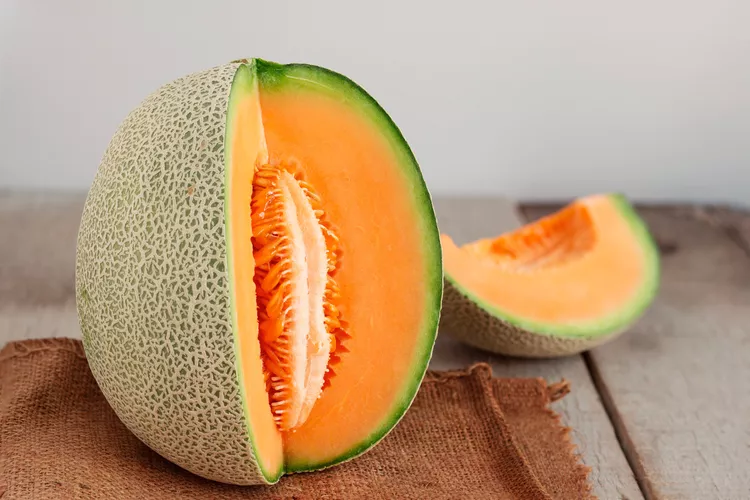
Dogs can eat cantaloupe in moderation. Like other melons, cantaloupe has a high water content and is bursting with nutrients for humans, but these benefits don't always apply to dogs. Dogs' stomachs can only handle certain things in moderation, and this includes fruit. Here's how to feed your dog cantaloupe without making them sick, the proper amounts to give, and what to do if your dog is having a reaction.
Yes, cantaloupe is a relatively safe fruit for dogs to consume in small amounts. As with any new food, it is always wise to introduce it to your dog slowly, so you can easily determine if your dog has an allergy or any trouble digesting them.
Cantaloupe is packed with nutrients, low in calories, and a great source of water and fiber. Although there are many benefits to eating cantaloupe for humans, feeding it to your dog should be done with care and discretion. Moderation is key—a few pieces of cantaloupe are safe for dogs to eat, but too much can cause trouble. If you have questions or concerns about feeding your dog cantaloupe, consult a veterinarian.
Cantaloupe is high in sugar, so it's not a good treat choice for diabetic dogs or those on calorie-restricted diets. In general, too many treats can lead to canine obesity, which can wreak havoc on your dog's body, especially if your dog is prone to joint issues like hip dysplasia. Plus, cantaloupe is relatively high in fiber, and too much can cause gastrointestinal upset. It's also possible for dogs to have an allergic reaction or intolerance to any food.
Monitor your dog after feeding cantaloupe and contact your veterinarian if your dog experiences any of the following:
If you choose to feed your dog cantaloupe, offer small amounts of ripe fruit cut into bite-sized pieces. Always avoid the rind as it may be harmful and is not very tasty.
Cantaloupe rinds are tough, hard to chew, and even harder to digest. They can be a choking hazard and cause irritation when swallowed. Don't feed your dog rinds or let them lick the outside skin, because it may have harmful bacteria that could make them sick.
As with all fruit, it is important to wash and scrub the outer surface thoroughly prior to preparation. Remove the rinds and the seeds, and slice the melon into small one to two-inch-thick bite-sized wedges depending on the size of your dog.
You can feed cantaloupe to your dog as a special treat and not part of their regular diet. Put the treat in a Kong or another puzzle toy to provide mental exercise for your dog. You can even freeze this fruit to make it last longer and provide a refreshing treat in hot weather.
Cantaloupes are available year-round, but this melon shines during the summer when it’s at its freshest and sweetest. Picking a good, ripe cantaloupe can also make the treat that much better for your dog. Keep in mind, however, that the riper the cantaloupe, the more sugar it contains. Just by tasting, you'll know if a cantaloupe is sweeter than you're used to, which means you should give your dog less.
A great way to pick a cantaloupe is by smell, the fruit should have a sweet, slightly musky scent. The stem should be no longer attached as a ripe melon will naturally detach from its stem. Lastly, the cantaloupe should feel firm but not rock hard and should be free of bruising.
In summary, cantaloupe can be given to dogs as an occasional treat, provided that the rind and seeds are removed.
It's not smart to feed your dog cantaloupe rinds: the rinds are fibrous and can cause gastrointestinal upset.
Be careful with cantaloupe seeds, as they can be a choking hazard. Best to feed your pooch plain cantaloupe flesh.
Dogs can eat many melons, from watermelon to honeydew. Just remove the seeds and rind.

Kitten Vaccine Schedule
What vaccines does your kitten need? Learn the typical kitten vaccination schedule and find out what diseases your kitten should be immunized against.
13 Cats Who Love Christmas
Christmas time is exciting for animals too! Check out these 13 cute cats who love Christmas just as much as us humans.
275 Best Male Cat Names for Your Handsome Kitty
There are plenty of male cat names to choose from if you’re looking to add a new tomcat to the family. Here are 275 of our favorite choices for male cat names.
10 Unique Bobtail Cat Breeds
Bobtail cat breeds, including the Manx and Cymric, result from natural genetic mutations. Learn whether one of these cats is right for you.
15 Top Cat Breeds With Big Eyes
A cat with big eyes like a Persian or sphynx has an expressive look that brings out its personality. Take a look at 15 breeds with big peepers.
Khao Manee: Cat Breed Profile, Characteristics & Care
The khao manee (diamond eye cat) is a rare white cat with gem-like eyes and a friendly personality. Learn about the khao manee breed.
How to Care for a Hairless Cat
Hairless cats make great pets but they aren't without their own challenges and requirements. Read on to learn how to best care for your furless feline.
10 Most Intelligent Cat Breeds
Looking for a smart cat? Learn about the pros and cons of 10 intelligent cat breeds, including Burmese and Siamese, to decide if one is right for you.
Top Ten Essential Dog Training Supplies
You don't need a lot of special equipment to train a dog, but some items make it easier. Learn which dog training supplies to get for your dog.
Why Dogs Bury Bones and Other Objects
If you give a dog a bone, he might bury it. Why is that? Learn about this burying behavior in dogs and what it means for your pet.
How to Train Your Dog to Fetch
Not all dogs instinctively know how to play fetch. Learn how to teach your dog to fetch a ball and bring it back for a fun interactive game.
Top 10 Basic Dog Training Commands
Learn basic dog training commands that every dog should know. These can help you overcome common behavior problems and keep your dog safe.
How to Solve Your Dog's Fear of Children
Find out why your dog is afraid of kids and learn ways you can help your canine buddy deal with this phobia.
How to Safely Break Up a Dogfight
A dogfight can be a terrifying event to witness, and trying to break one up can be extremely dangerous. Find out how to stop one without getting injured.
Can Dogs Eat Almonds? Understanding the Risks and Guidelines
Can dogs eat almonds? While a couple likely won't hurt, it's best to avoid feeding your dog this nut. Learn the risks here.
Dog Food Basics
Are you feeding your dog the best way possible? Check out these dog feeding tips to keep your dog healthy and happy.
Can Dogs Eat Edamame? Safety, Benefits, and Prep Tips
Edamame is a protein-rich legume that's safe for dogs to eat in moderation. Learn more about its health benefits, potential risks, and how to prepare it for your pup.
Keeshond: Dog Breed Characteristics & Care
Learn about the keeshond dog, also known as the Dutch Barge Dog. This fluffy spitz breed was bred to guard, but also makes a friendly companion.
Can Dogs Eat Bread?
Is bread a safe snack for you dog? Are there kinds of bread you should avoid? Learn more about whether it's okay to feed your dog bread.
Can Dogs Eat Popsicles?
You might be wondering can dogs eat popsicles? Certain types of frozen treats are safe for your dog, but you need to be aware of ingredients and allergies