
The Russian blue cat is a loyal, intelligent breed with a striking coat that inspired the name. This cat's short, dense hair is uniformly steel blue with an almost silvery cast, making it one of the most distinctive and beautiful cats in the world. Russian blues enjoy interacting and playing with their owners, but they can have an aloof quality that makes them less suitable for homes with rambunctious children or pets. Mellow dogs and gentle children are much preferred by this independent breed. Read on to learn more about the stunning Russian blue cat breed.
Personality: Friendly and intelligent but aloof, may be reclusive around strangers
Weight: Up to 12 pounds
Length: Up to 24 inches
Coat Length: Short Hair
Coat Colors: Steel blue
Coat Patterns: Solid
Eye Color: Green
Lifespan: Up to 20 years
Hypoallergenic: Somewhat
Origin: Russia
The Russian blue is a medium-sized cat breed that reaches maturity at about a year old. They are typically friendly and enjoy being near familiar people in calm surroundings. If strangers, rowdy dogs, or overly affectionate kids approach, though, the Russian blue is likely to retreat for the safety of a hiding spot where it will stay until the environment has returned to normal.
The Russian blue’s trademark coat is a shimmery blue with a silvery cast. The short, dense, plush coat is wonderfully easy to care for, requiring minimal grooming. The coat naturally does not shed much. Occasional brushing will keep the coat soft and silky.
Even more striking perhaps than the Russian blue’s coat are their large, wide-set, emerald-green eyes. The wedged shape of the head and face gives the Russian blue a charming expression that makes it look like they're perpetually smiling.
The medium-sized Russian blue cat is fine-boned and elegant, but ideally lean and muscular as well.
Although the Russian blue’s full breed history is not known, these cats are thought to have originated on Archangel Island (Arkhangelsk) in northern Russia where they were once called Archangel cats. They were favored by the Russian czars.
Upon gaining popularity among the Russian royalty, the beautiful blue cats were shipped to many parts of Europe. Russian blues were among the contestants of the very first cat shows held in England in the 1880s.
In the United States, the Russian blue is recognized by the Cat Fanciers’ Association and The International Cat Association.
The Russian blue’s trademark coat is easy to care for, requiring minimal grooming. Because they shed less than other cats, occasional brushing is optional. The Russian blue frequently appears on lists of hypoallergenic cat breeds. Although no cat breed is truly non-allergenic, it seems that some allergy sufferers can live successfully with certain cat breeds, including the Russian blue.
Trim your Russian blue’s nails regularly and check inside the ears for dirt and debris on a weekly basis. If you see a little debris in the ears, use a gentle pet ear cleaner to wipe them out with a cotton ball or soft gauze (never use a cotton swab).
Russian blues are intelligent cats. They're entertaining and playful and can be trained to play fetch. Although not a particularly vocal breed, they usually will respond when talked to and encouraged to "talk" back.
For exercise, make sure your cat has a few scratching posts for some necessary stretching and claw maintenance. This breed can keep busy and exercise on its own, which is great for families that maintain a busy lifestyle. Regulate weight by controlling the portions of cat food. If your cat starts to get pudgy, reduce the food given and talk to your veterinarian about their diet.
Although some purebred cats are prone to certain hereditary diseases, the Russian blue is generally healthy with no known genetically linked disorders.
The breed enjoys a long life span, often living into the upper teens or longer. Work with your vet to make sure your Russian blue is up to date on its vaccines, annual exams, routine testing, and dental care.
It's always recommended that you speak with your veterinarian about the best food to feed your Russian blue. The Russian blue is known to love eating, so one thing to watch out for is overfeeding. Keeping your cat lean is the best way to avoid weight-related health issues like diabetes, heart disease, and arthritis.
Feed your Russian blue measured amounts of cat food at regular meal times two to three times a day. Although leaving food out all day may be convenient, it can lead to constant snacking, which can contribute to an overweight cat. Always have fresh water available 24 hours a day.
If you like the Russian blue cat and want to learn more, check out the International Cat Association's list of Russian blue breeders near you so you can ask more questions and meet a Russian blues in person.
You can also try to find a cat show in your area. Cat shows are great fun and a wonderful way to learn about many different cat breeds from breeders and owners.
You may be able to find a purebred Russian blue cat through a breeder in your area, but if you'd rather adopt from a rescue facility, check out these organizations:
These graceful cats are gentle and sweet. Although Russian blues can be shy around strangers, they absolutely adore their owners. If you are looking for a cat who will greet you at the door, follow you around the house, and sit next to you on the couch, the Russian blue meets these criteria. What's more, they are some of the most beautiful cats among the pure breeds because of their shimmering blue-gray coats and emerald-colored eyes.
Often tolerated by people with cat allergies
Gentle and kind
Generally healthy and long-lived
Can be shy around strangers or commotion
Not as cuddly as some cats
Can become obese if overfed
If you’re interested in similar breeds, check out:
Otherwise, check out all of our other cat breed profiles.
These cats can be very affectionate with people they love, but they may be wary or aloof around strangers.
A purebred Russian blue can cost anywhere between $500 and $3000.
Russian blue cats shed less than most other cat breeds and are usually well tolerated by people with cat allergies.

Kitten Vaccine Schedule
What vaccines does your kitten need? Learn the typical kitten vaccination schedule and find out what diseases your kitten should be immunized against.
13 Cats Who Love Christmas
Christmas time is exciting for animals too! Check out these 13 cute cats who love Christmas just as much as us humans.
275 Best Male Cat Names for Your Handsome Kitty
There are plenty of male cat names to choose from if you’re looking to add a new tomcat to the family. Here are 275 of our favorite choices for male cat names.
10 Unique Bobtail Cat Breeds
Bobtail cat breeds, including the Manx and Cymric, result from natural genetic mutations. Learn whether one of these cats is right for you.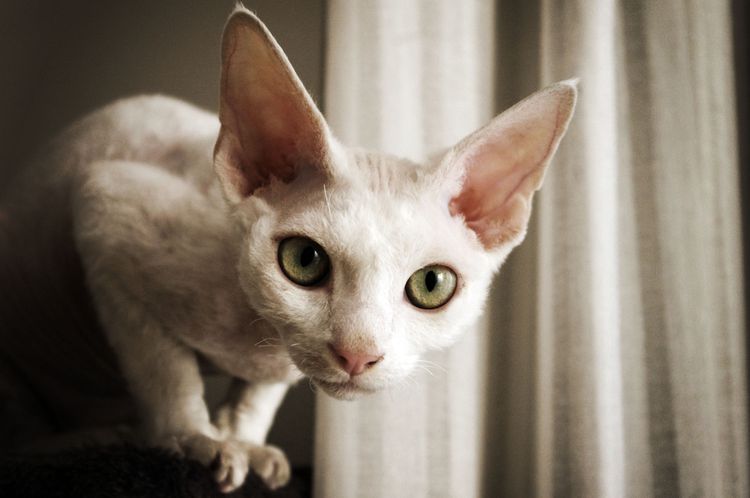
15 Top Cat Breeds With Big Eyes
A cat with big eyes like a Persian or sphynx has an expressive look that brings out its personality. Take a look at 15 breeds with big peepers.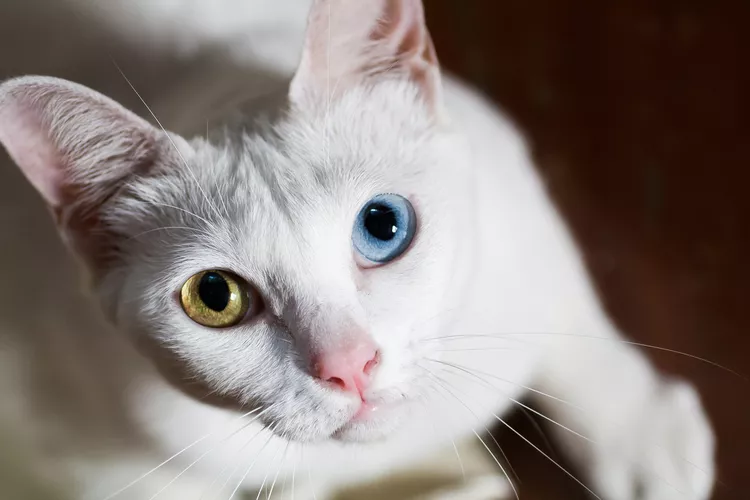
Khao Manee: Cat Breed Profile, Characteristics & Care
The khao manee (diamond eye cat) is a rare white cat with gem-like eyes and a friendly personality. Learn about the khao manee breed.
How to Care for a Hairless Cat
Hairless cats make great pets but they aren't without their own challenges and requirements. Read on to learn how to best care for your furless feline.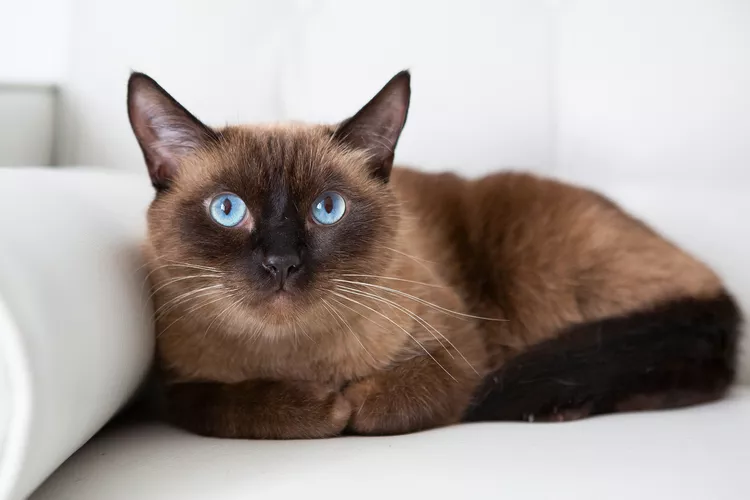
10 Most Intelligent Cat Breeds
Looking for a smart cat? Learn about the pros and cons of 10 intelligent cat breeds, including Burmese and Siamese, to decide if one is right for you.
Top Ten Essential Dog Training Supplies
You don't need a lot of special equipment to train a dog, but some items make it easier. Learn which dog training supplies to get for your dog.
Why Dogs Bury Bones and Other Objects
If you give a dog a bone, he might bury it. Why is that? Learn about this burying behavior in dogs and what it means for your pet.
How to Train Your Dog to Fetch
Not all dogs instinctively know how to play fetch. Learn how to teach your dog to fetch a ball and bring it back for a fun interactive game.
Top 10 Basic Dog Training Commands
Learn basic dog training commands that every dog should know. These can help you overcome common behavior problems and keep your dog safe.
How to Solve Your Dog's Fear of Children
Find out why your dog is afraid of kids and learn ways you can help your canine buddy deal with this phobia.
How to Safely Break Up a Dogfight
A dogfight can be a terrifying event to witness, and trying to break one up can be extremely dangerous. Find out how to stop one without getting injured.
Can Dogs Eat Almonds? Understanding the Risks and Guidelines
Can dogs eat almonds? While a couple likely won't hurt, it's best to avoid feeding your dog this nut. Learn the risks here.
Dog Food Basics
Are you feeding your dog the best way possible? Check out these dog feeding tips to keep your dog healthy and happy.
Can Dogs Eat Edamame? Safety, Benefits, and Prep Tips
Edamame is a protein-rich legume that's safe for dogs to eat in moderation. Learn more about its health benefits, potential risks, and how to prepare it for your pup.
Keeshond: Dog Breed Characteristics & Care
Learn about the keeshond dog, also known as the Dutch Barge Dog. This fluffy spitz breed was bred to guard, but also makes a friendly companion.
Can Dogs Eat Bread?
Is bread a safe snack for you dog? Are there kinds of bread you should avoid? Learn more about whether it's okay to feed your dog bread.
Can Dogs Eat Popsicles?
You might be wondering can dogs eat popsicles? Certain types of frozen treats are safe for your dog, but you need to be aware of ingredients and allergies