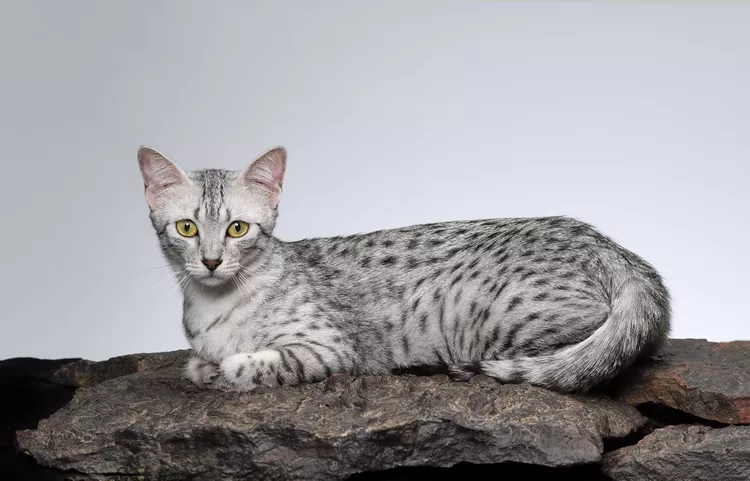
The Egyptian mau is an elegant, spotted cat whose ancestry may date back 3,000 years to the cats whose images adorn the temples and halls of ancient Egypt. The name “mau” comes from the ancient Egyptian word for cat. Egyptian maus are known for their athleticism and are some of the fastest runners among domestic cats, reaching speeds of up to 30 miles per hour. Egyptian maus can make wonderful additions to homes willing to make them an integral part of the family.
Here’s everything you need to know about this breed to decide if the Egyptian mau would be your perfect feline companion.
PERSONALITY: Playful, active, devoted, loyal, alert, affectionate on their own terms
WEIGHT: 6 to 14 pounds
HEIGHT: 8 to 14 inches
LENGTH: Up to 16 inches
COAT: Medium length shorthair; may be silky and fine or dense, depending on color
COAT COLOR: Silver, bronze, or smoke with dark spots of varying sizes that occur only on the tips of the fur; dorsal stripe extending along the tail to a dark tail tip; forehead has an “M” marking and the face has “mascara” lines that start at the corner of the eyes and sweep along the cheeks; black, caramel, and blue/pewter colors also occur
COAT PATTERN: Tabby
EYE COLOR: Green
LIFESPAN: 12 to 15 years
HYPOALLERGENIC: No
ORIGIN: Egypt
The Egyptian mau may have descended from ancient Egyptian domestic cats, though definitive genetic linkages are difficult to trace. Egyptian art dating back to 1900 BCE depicted cats with similar spotted markings in the homes of Egyptians, and by 1450 BCE, cats were commonly shown in many domestic situations, where it was likely that they formed close, mutually beneficial relationships with humans. Cats also became associated with the Egyptian goddess Bastet. The worship of Bastet remained popular during the Roman rule of Egypt, and it is likely that Romans took some of these eye-catching spotted cats back to Italy. In this way, the precursors of the Egyptian mau breed ended up in Europe.
Cats resembling the Egyptian mau were bred in Italy, Switzerland, and France in the early 20th century, but the breed declined during World War II and may have died out, were it not for the work of a Russian-born nurse living in Rome in the 1950s. The nurse, Nathalie Troubetskoy, was given a silver-spotted kitten that purportedly came from an embassy in Rome. She discovered that the kitten was an Egyptian mau, and she was so taken by the beauty and personality of the cat that she became determined to revive the breed.
Troubetskoy managed to acquire a male cat named Gregorio, along with her silver cat Lulu, and later imported additional cats from the Middle East, including Geppa, a male smoke-colored cat. She produced the first litter of Egyptian mau in 1956. In 1968, the breed was recognized by the Cat Fanciers’ Association and the Canadian Cat Association.
However, because there were so few Egyptian maus in the U.S., the breed suffered genetic disorders and illnesses because of a limited gene pool. Breeders sought ways to expand the population. Jean S. Mill, of the Millwood cattery, located two cats that appeared to be Egyptian maus at a zoo in New Delhi. She brought them to the U.S. in 1980 and established the Indian breeding line, which was accepted by the Cat Fanciers’ Association in the late 1980s.
Egyptian maus remain a rare breed and there may be only around 3,000 worldwide. The Middle Eastern origin of the Egyptian mau was confirmed in a 2012 genetic analysis that connected the breed to other Middle Eastern cats like the Turkish Van.
Egyptian maus are intelligent, highly active, and playful cats who require lots of stimulation in their environment. Like all cats, feeding them a high-quality diet, minimizing their stress, and getting them regular preventive veterinary care will help them have long, healthy lives. Spaying, neutering, vaccinating, and keeping them indoors with plenty of activities and interaction will result in happy and healthy cats.
They are moderate shedders and don’t require extensive grooming. Brushing them regularly will help with any shedding and will also prevent them from ingesting large amounts of hair via grooming, which can lead to hairballs.
As a high-energy breed that needs to burn off excess energy, this cat requires frequent exercise and opportunities to run, jump, and climb. They also like to be up high. Tall cat trees, scratching posts, toys, and safe indoor places to run and climb should be available to them. They enjoy interactive play with people, and can be taught to fetch toys and walk with secure leashes and harnesses. They are often conversational, with a variety of vocalizations that include chirping, chortling, and meowing.
Egyptian maus enjoy water, and like all cats, they should have a continuous source of fresh water available. Water fountains can not only provide them incentive to drink water more often, but also offer entertainment opportunities for them to splash and play.
Because Egyptian maus come from a limited genetic background in the U.S., they may develop health issues like kidney disease, bladder stones, and lower urinary tract disease.
Egyptian maus may also be prone to a heart condition called hypertrophic cardiomyopathy, which can shorten their lifespan. Depending on severity, this condition can be managed with medications, and regular veterinary examinations are crucial to monitor for the development of this disease.
They may also experience dental disease and gingivitis, and it’s important to brush their teeth regularly with a cat-friendly toothpaste and have their teeth cleaned periodically by a veterinarian.
Egyptian maus have several unusual characteristics that make their appearance unique among cat breeds. Their spots are naturally occurring and appear in random patterns on their coat. While the only colors accepted by the Cat Fanciers’ Association are smoke, bronze, and silver, they can also be found in black, blue, and caramel colors.
They have a distinctive “M” or scarab shape on the top of their head, and “mascara” lines that run from the corners of their eyes to their cheeks. Their tails are heavily banded with a dark tip and a dorsal stripe that runs the length of the tail. The overall coat pattern of the Egyptian mau is tabby. Smoke-colored cats generally have finer fur than the other colors.
They have short hair on their ears that may be tufted at the tip. Their eyes are a striking light green called “gooseberry,” and they are often described as having a slightly worried look.
Egyptian maus are fast, athletic cats with well-developed muscles. Males are generally larger than females. Their hind legs are longer than their front legs, giving them a “tiptoe” stance, and they’re impressive jumpers, capable of jumping up to 6 feet. They also have a skin fold from their flank to knees, a trait shared with cheetahs that may relate to their speed.
Egyptian maus should be fed a high-quality diet that includes both wet and dry food. A veterinarian can help determine the best diet for an individual cat, based on lifestyle and activity level. Certain medical conditions may require that specialized diets be fed.
Egyptian maus are expensive, and might cost anywhere from $800 to nearly $2,000, on average.
These cats are not very common, and finding one to adopt may require patience and persistence. You can search for the breed on sites like Adopt-A-Pet and Petfinder, or contact breed-specific cat rescue organizations in your area.
In addition to their striking appearance as one of the few naturally spotted cat breeds in the world, Egyptian maus are friendly and interactive with their family members. Within the family, they may form a strong bond with one select person. The Egyptian mau tends to be aloof with strangers, though they will warm up to new people when given time.
Before you adopt a cat into your home, do plenty of research about what may be the best fit for your family and lifestyle. If you’re interested in similar cat breeds, you can take a look at these:
There are many different cat breeds to explore, and the best way to welcome a new cat to your family is to adopt a homeless cat from a rescue or shelter.
Egyptian maus make excellent family pets that seek out interaction and attention. They are very loyal, and when they are comfortable in their environment and familiar with the people around them, they are friendly and social, delighting you with their fun personality.
Purebred Egyptian maus are expensive, often costing $1,000 or more, depending on the breeder.
Egyptian maus are the fastest domestic cats, reaching speeds of up to 30 miles per hour. They’re also the only naturally spotted domestic cat. When happy, they wiggle their tails and, unlike other cats, they like playing with water.

Kitten Vaccine Schedule
What vaccines does your kitten need? Learn the typical kitten vaccination schedule and find out what diseases your kitten should be immunized against.
13 Cats Who Love Christmas
Christmas time is exciting for animals too! Check out these 13 cute cats who love Christmas just as much as us humans.
275 Best Male Cat Names for Your Handsome Kitty
There are plenty of male cat names to choose from if you’re looking to add a new tomcat to the family. Here are 275 of our favorite choices for male cat names.
10 Unique Bobtail Cat Breeds
Bobtail cat breeds, including the Manx and Cymric, result from natural genetic mutations. Learn whether one of these cats is right for you.
15 Top Cat Breeds With Big Eyes
A cat with big eyes like a Persian or sphynx has an expressive look that brings out its personality. Take a look at 15 breeds with big peepers.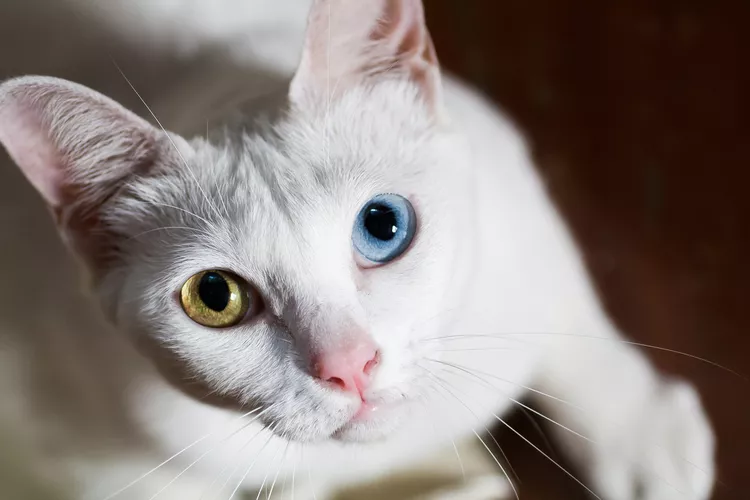
Khao Manee: Cat Breed Profile, Characteristics & Care
The khao manee (diamond eye cat) is a rare white cat with gem-like eyes and a friendly personality. Learn about the khao manee breed.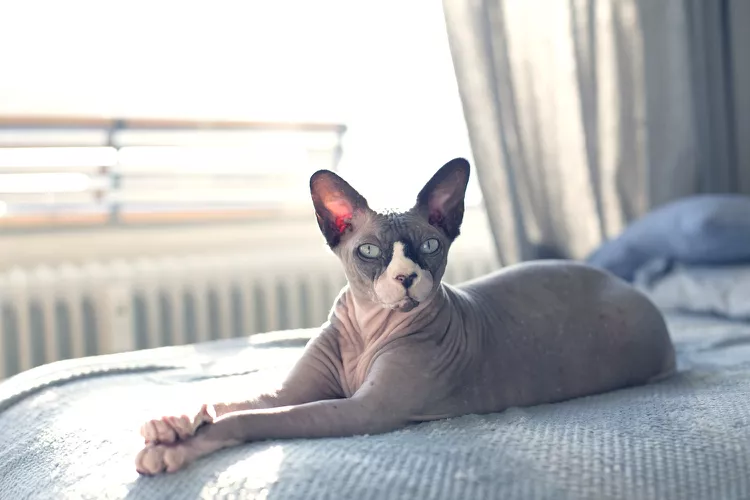
How to Care for a Hairless Cat
Hairless cats make great pets but they aren't without their own challenges and requirements. Read on to learn how to best care for your furless feline.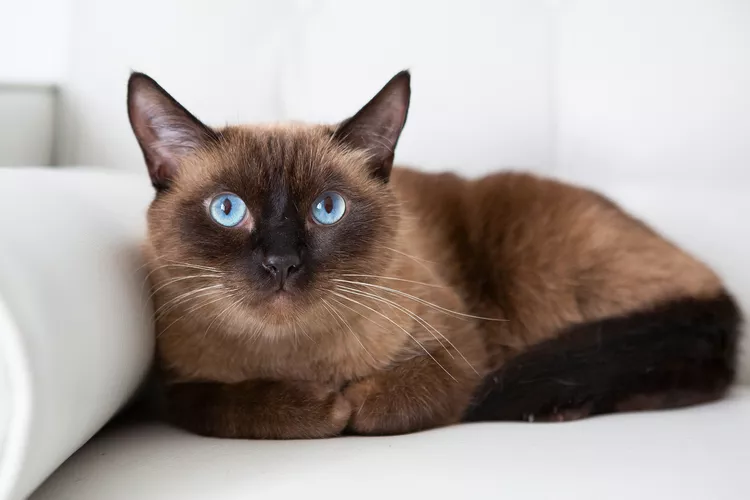
10 Most Intelligent Cat Breeds
Looking for a smart cat? Learn about the pros and cons of 10 intelligent cat breeds, including Burmese and Siamese, to decide if one is right for you.
Top Ten Essential Dog Training Supplies
You don't need a lot of special equipment to train a dog, but some items make it easier. Learn which dog training supplies to get for your dog.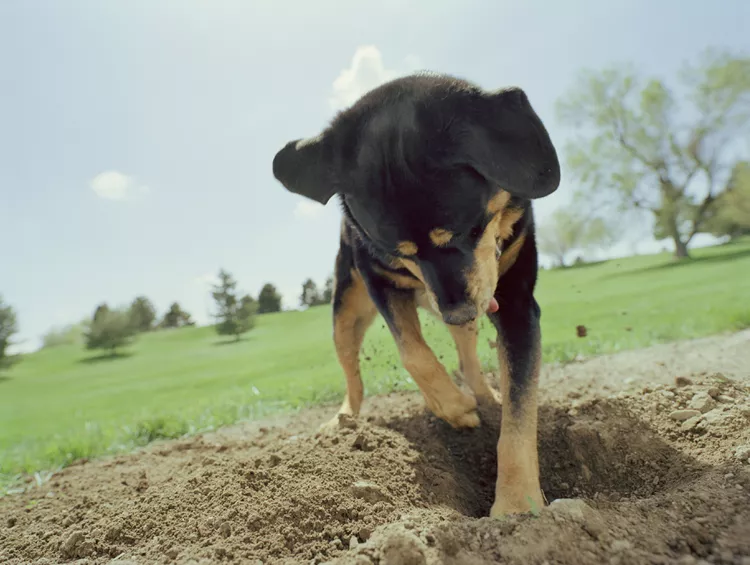
Why Dogs Bury Bones and Other Objects
If you give a dog a bone, he might bury it. Why is that? Learn about this burying behavior in dogs and what it means for your pet.
How to Train Your Dog to Fetch
Not all dogs instinctively know how to play fetch. Learn how to teach your dog to fetch a ball and bring it back for a fun interactive game.
Top 10 Basic Dog Training Commands
Learn basic dog training commands that every dog should know. These can help you overcome common behavior problems and keep your dog safe.
How to Solve Your Dog's Fear of Children
Find out why your dog is afraid of kids and learn ways you can help your canine buddy deal with this phobia.
How to Safely Break Up a Dogfight
A dogfight can be a terrifying event to witness, and trying to break one up can be extremely dangerous. Find out how to stop one without getting injured.
Can Dogs Eat Almonds? Understanding the Risks and Guidelines
Can dogs eat almonds? While a couple likely won't hurt, it's best to avoid feeding your dog this nut. Learn the risks here.
Dog Food Basics
Are you feeding your dog the best way possible? Check out these dog feeding tips to keep your dog healthy and happy.
Can Dogs Eat Edamame? Safety, Benefits, and Prep Tips
Edamame is a protein-rich legume that's safe for dogs to eat in moderation. Learn more about its health benefits, potential risks, and how to prepare it for your pup.
Keeshond: Dog Breed Characteristics & Care
Learn about the keeshond dog, also known as the Dutch Barge Dog. This fluffy spitz breed was bred to guard, but also makes a friendly companion.
Can Dogs Eat Bread?
Is bread a safe snack for you dog? Are there kinds of bread you should avoid? Learn more about whether it's okay to feed your dog bread.
Can Dogs Eat Popsicles?
You might be wondering can dogs eat popsicles? Certain types of frozen treats are safe for your dog, but you need to be aware of ingredients and allergies