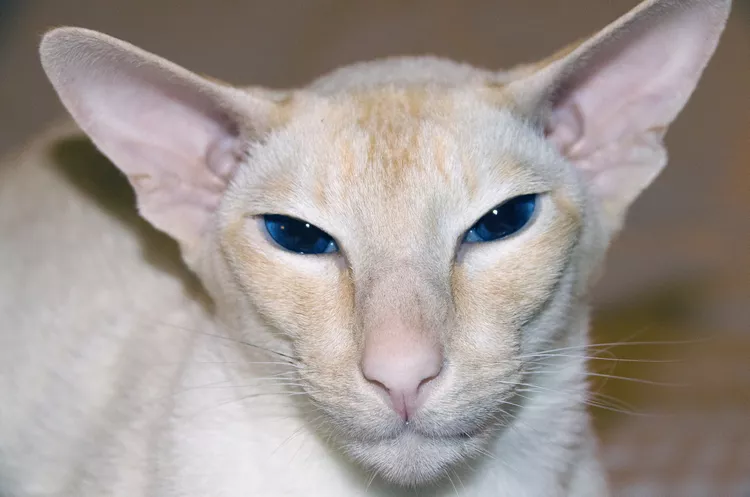
The colorpoint shorthair is a hybrid (mix) of the Siamese and the American shorthair, but most of its physical characteristics favor the Siamese. It is long, lean, affectionate, and very vocal. Only the cat's array of 16 non-traditional point colors reflects its American shorthair genetics. Some cat registries recognize the colorpoint as a unique breed, while others classify it as simply a variation of the Siamese.
Whatever its color or official designation, this friendly, outgoing cat is eager to be part of an active household where people have plenty of time to interact with their pet.
Personality: Sociable, affectionate, playful, and talkative
Weight: Up to 14 pounds
Length: Up to 24 inches
Coat Length: Short hair
Coat Colors: 16 non-traditional pointed colors
Coat Patterns: Colorpoint, lynx
Eye Color: Blue
Lifespan: Up to 12 years
Hypoallergenic: No
Origin: England and United States
Colorpoint shorthair cats are outgoing, friendly, and affectionate. It is not uncommon to find them following their favorite people around the house. They are particularly vocal and known for using their loud and distinctive meows to “talk” to anyone who will listen—or who isn't paying attention.
Because they have short, sleek coats with minimal insulation, these sweet, cuddly cats gravitate toward warm laps and fuzzy blankets, especially in the cold winter months.
In the 1940s, a handful of cat breeders in England and the United States attempted to create a Siamese cat with red points rather than the traditional seal, chocolate, blue or lilac colors. At some point during this time, a red tabby American shorthair cat was bred with a seal point Siamese, and this litter successfully launched the colorpoint shorthair breed. Red and cream colorpoint shorthairs were awarded championship status with the Cat Fanciers’ Association in 1964, and other point colors and patterns followed.
Various cat registries recognize the colorpoint shorthair differently. For instance, the Cat Fanciers’ Association and the Canadian Cat Association both recognize the colorpoint shorthair as a separate breed from the Siamese. However, the International Cat Association recognizes it as a variation of the Siamese.
The colorpoint shorthair’s coat is easy to care for. Weekly brushing with a rubber curry brush will suffice to remove loose hair, and the occasional bath can help maintain a high sheen.
Keep your colorpoint shorthair's nails trimmed short, and periodically look inside the ears for dirt and redness. If you see a little debris in the ears, use a gentle pet ear cleanser to clean the ears with a cotton ball and (never stick a cotton swab into a cat’s ear). If the ears look inflamed or excessively dirty, or if your cat is shaking his head or scratching his ears, schedule a checkup with your veterinarian.
There are a few ways you can help your colorpoint shorthair get enough exercise and indoor enrichment. First, provide plenty of places to climb and perch (cat trees and kitty condos). Also, all cats need to scratch, which is a natural and enjoyable behavior. To keep your couch and rugs in good shape, give your colorpoint shorthair a variety of acceptable scratching places, both vertical and horizontal (cardboard or sisal scratchers that lie on the ground).
All cats can develop health issues throughout their lives, but as with all pedigreed cats, the colorpoint shorthair has some known congenital problems in its background. The colorpoint shorthair is prone to the same conditions as the Siamese, including:
Reputable breeders test their adult cats for health problems and avoid breeding affected cats. Most reputable breeders also usually offer a health guarantee.
Like its Siamese cousin, the elegant colorpoint shorthair is long and lean with a fine bone structure and firm musculature. Its distinctive wedge-shaped head is set off by large ears and accentuated by almond-shaped blue eyes. The close-lying short coat is glossy with a fine texture.
The colorpoint shorthair comes in 16 colors, including:
Colorpoint shorthairs should be long and lean, and keeping your cat at an ideal weight can prevent health issues like diabetes, heart disease, and arthritis. Feed your colorpoint shorthair measured amounts of cat food regularly (twice a day for adult cats), and avoid free-feeding (leaving food out all day), which encourages continuous snacking.
Ask your veterinarian or breeder for advice about the best food to feed your colorpoint shorthair cat.
If you’re thinking about buying a colorpoint shorthair kitten, consider going to a local cat show, which is a great way to connect with reputable breeders. Cat shows are lots of fun and you can see many different cat breeds all in the same place.
Sometimes, colorpoint shorthair mix cats, usually adults, can be found in rescue shelters. Check with local cat-specific rescue groups or search Petfinder.com.
With all the loud, loving feline fabulousness of a Siamese and a rainbow of gorgeous coat colors, the colorpoint shorthair makes a delightful pet for attentive owners. This cat will thrive with nearly constant companionship from humans (including kids), other cats, or gentle dogs. Besides its neediness, this breed is low maintenance, requiring little in the way of grooming.
Affectionate, friendly and outgoing
Entertaining and talkative
Low shedding
Doesn’t do well if left alone
Loud for a cat (lots of vocalization)
Prone to a few genetic health problems
If you’re interested in similar breeds, check out:
Otherwise, check out all of our other cat breed profiles.
Most cat registries designate the colorpoint shorthair as a unique breed, but the International Cat Association considers it a Siamese variation.
A purebred colorpoint shorthair cat costs between $600 and $800.
Colorpoint shorthairs are very vocal like their Siamese relatives, a trait that is considered wonderful by some cat owners and annoying by others.

Kitten Vaccine Schedule
What vaccines does your kitten need? Learn the typical kitten vaccination schedule and find out what diseases your kitten should be immunized against.
13 Cats Who Love Christmas
Christmas time is exciting for animals too! Check out these 13 cute cats who love Christmas just as much as us humans.
275 Best Male Cat Names for Your Handsome Kitty
There are plenty of male cat names to choose from if you’re looking to add a new tomcat to the family. Here are 275 of our favorite choices for male cat names.
10 Unique Bobtail Cat Breeds
Bobtail cat breeds, including the Manx and Cymric, result from natural genetic mutations. Learn whether one of these cats is right for you.
15 Top Cat Breeds With Big Eyes
A cat with big eyes like a Persian or sphynx has an expressive look that brings out its personality. Take a look at 15 breeds with big peepers.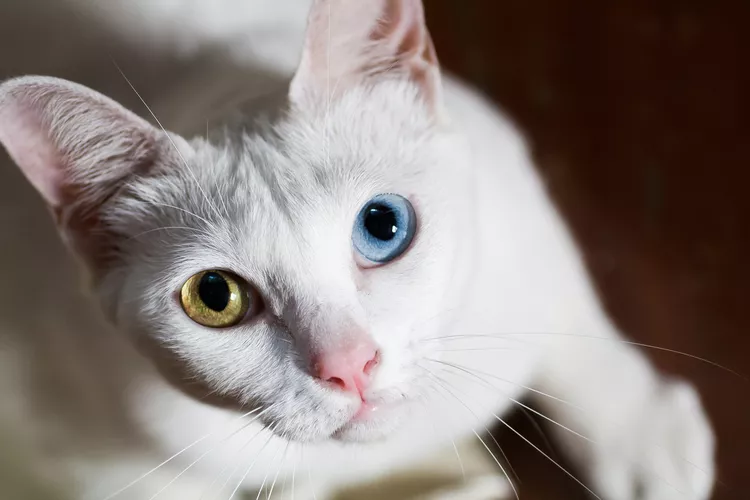
Khao Manee: Cat Breed Profile, Characteristics & Care
The khao manee (diamond eye cat) is a rare white cat with gem-like eyes and a friendly personality. Learn about the khao manee breed.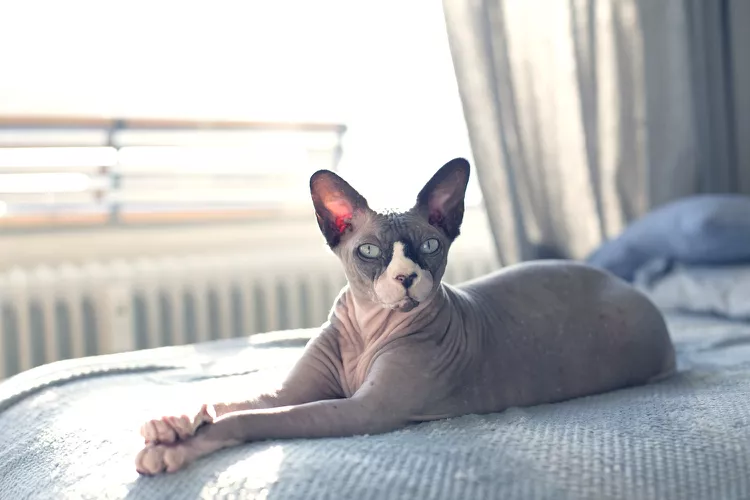
How to Care for a Hairless Cat
Hairless cats make great pets but they aren't without their own challenges and requirements. Read on to learn how to best care for your furless feline.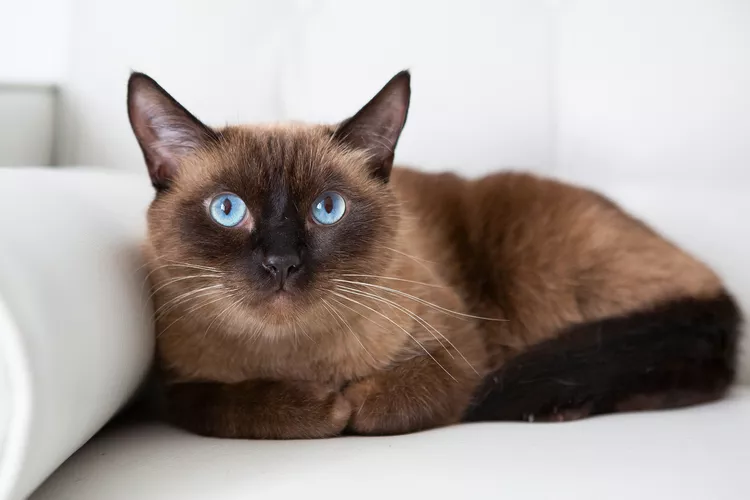
10 Most Intelligent Cat Breeds
Looking for a smart cat? Learn about the pros and cons of 10 intelligent cat breeds, including Burmese and Siamese, to decide if one is right for you.
Top Ten Essential Dog Training Supplies
You don't need a lot of special equipment to train a dog, but some items make it easier. Learn which dog training supplies to get for your dog.
Why Dogs Bury Bones and Other Objects
If you give a dog a bone, he might bury it. Why is that? Learn about this burying behavior in dogs and what it means for your pet.
How to Train Your Dog to Fetch
Not all dogs instinctively know how to play fetch. Learn how to teach your dog to fetch a ball and bring it back for a fun interactive game.
Top 10 Basic Dog Training Commands
Learn basic dog training commands that every dog should know. These can help you overcome common behavior problems and keep your dog safe.
How to Solve Your Dog's Fear of Children
Find out why your dog is afraid of kids and learn ways you can help your canine buddy deal with this phobia.
How to Safely Break Up a Dogfight
A dogfight can be a terrifying event to witness, and trying to break one up can be extremely dangerous. Find out how to stop one without getting injured.
Can Dogs Eat Almonds? Understanding the Risks and Guidelines
Can dogs eat almonds? While a couple likely won't hurt, it's best to avoid feeding your dog this nut. Learn the risks here.
Dog Food Basics
Are you feeding your dog the best way possible? Check out these dog feeding tips to keep your dog healthy and happy.
Can Dogs Eat Edamame? Safety, Benefits, and Prep Tips
Edamame is a protein-rich legume that's safe for dogs to eat in moderation. Learn more about its health benefits, potential risks, and how to prepare it for your pup.
Keeshond: Dog Breed Characteristics & Care
Learn about the keeshond dog, also known as the Dutch Barge Dog. This fluffy spitz breed was bred to guard, but also makes a friendly companion.
Can Dogs Eat Bread?
Is bread a safe snack for you dog? Are there kinds of bread you should avoid? Learn more about whether it's okay to feed your dog bread.
Can Dogs Eat Popsicles?
You might be wondering can dogs eat popsicles? Certain types of frozen treats are safe for your dog, but you need to be aware of ingredients and allergies



:strip_icc():format(webp)/GettyImages-991035432-637f561c6d7c418f8ebc2e17d94ebb89.jpg)