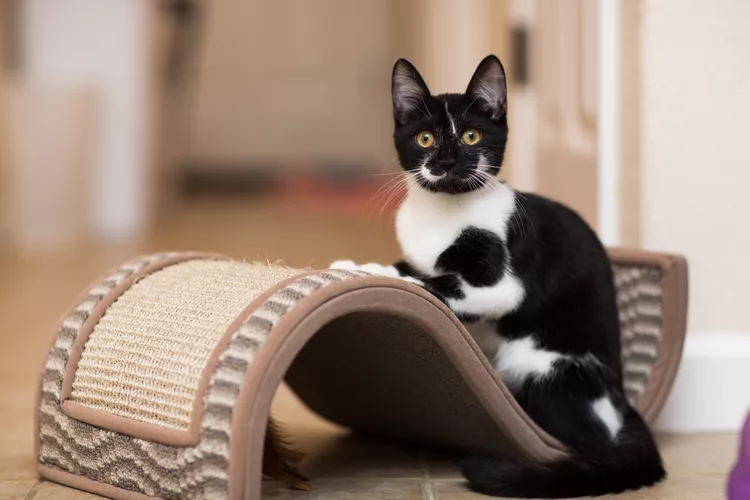
Kittens are adorable and playful, but they're also unique individuals that have personalities, needs, and behaviors of their own. Before welcoming a new kitten (or kittens) to your home, you'll need to prepare your home for a curious critter with the ability to climb, leap, and scratch. You'll also need to provide your kitten with appropriate toys, bedding, litter boxes, and food.
If you're adopting a kitten that is 6 weeks old or older, it may have recently been weaned from its mother. Some kittens are orphaned, meaning they were separated from their mothers prematurely for some reason, which often happens with stray cats. These orphaned kittens are bottle-fed and cared for by animal shelters until they are old enough for adoption. In either case, kittens need to continue to be socialized and exposed to lots of different experiences to help them adjust well. This includes providing them with safe spaces to explore and keeping them away from unfamiliar dangers.
As a new kitten owner, your responsibility includes checking your home for potential dangers and providing appropriate and safe options for your pet. You'll also need to establish guidelines for kitten behavior and stick to them.
Put on some comfortable old clothes and get way down on the floor and put on your best kitten persona. You can even lie on your back. Now look up; you'll likely see dozens of tempting attractions, many of them hazardous to tiny kittens.
Your first priority will be to remove serious hazards from your kitten's reach. Among the toughest to manage are electrical wires and outlets, many of which are at ground level. Kittens and cats are attracted to loose wires, so consider taping wires to baseboards or the underside of tables or desks. Other hazards include kitten-sized openings in floorboards and rocking chairs or gliders that can crush an unwary kitten. Make sure all windows have screens and repair any screens that have holes. Also find a secure place to put away any strings or threads such as knitting and sewing materials that can be very hazardous if ingested.
If you have ever had to set traps for ants or other pests, now is the time to be sure those traps are disposed of safely. You'll also want to check to be sure any breakable or precious items are above the reach of a leaping, climbing kitten.
During the initial adjustment period (at least seven to 10 days), it is a good idea to confine the kitten to a small room of the house. This room must be completely kitten-proofed as it should be the only room you leave your kitten in unsupervised at first. This allows your kitten to have a safe space to explore while you gradually introduce it to the rest of your home. This is especially important if you have other pets at home as they should be separated during this period to allow gradual, well-supervised interactions.
Kittens don't need a great deal. Many are delighted to sleep on your bed or couch (if you've decided to allow that) and to play with a simple toy. You will, however, want to make a few purchases.
At the very least, your kitten will need these basic necessities: food, a place to sleep, a scratching post or pad, and a litter box and litter. Of course, you won't be able to pass up a few toys. They will make the coming home experience a little easier on your new addition, especially since he'll be isolated from any other cats for the first few days. Create a shopping list for everything you'll need.
Your new kitten may be perfectly comfortable in a cardboard box lined with clean, soft towels or a small blanket, but you may consider giving him a real bed too, just like the big guys. The best bets are beds that are either fully washable or have a washable and/or replaceable cover. Don't spend a lot of money, though: there's an excellent chance that your kitten will pass up the bed you've prepared for the end of your bed, a spot on the couch, or any sunny corner of your home. Cats often like a place to hide, especially if they are nervous at first in a new place, so a bed with a cover, or a box of some kind is a good idea to help them feel secure while they are adjusting to their new digs.
The first year of a cat's life sets the pace for his future development, health, and well-being. It is essential that he eats a quality food developed for kittens.
At first, give him the same brand of food he's been eating at the breeders, foster home, or shelter, to avoid tummy upsets from sudden diet changes. If you intend to change the diet later, start by gradually mixing small amounts of the new food in with the current diet, increasing the amount of the new food each day over seven to 10 days. Use a small, low bowl so she can reach inside (many cat bowls are intended for larger adults). It's very important, too, to provide your kitten with plenty of clean, fresh water. Change the water each day, and consider investing in a low-cost "cat fountain" which recirculates water and is often more attractive to kittens than a simple bowl.
You're going to spend a lot of time in the first weeks bonding with your new kitten, establishing a close relationship that will last a lifetime. One of the best ways to start this bond is by playing with a kitten with an interactive toy. You can purchase everything from low-cost to very expensive items at the pet store, but don't forget another favorite game is "fetch" with a wadded-up piece of paper. Other fun simple toys include toilet paper rolls, paper bags, and the light from a flashlight or laser pointer that can be fun to chase. Always be careful as feathers, string, and other small parts can become choking hazards if they detach from toys so it is always important to supervise play closely.
It is not considered a humane practice to declaw cats so it is important to keep your kitty's nails in good health. This includes providing good scratching surfaces for them to shed the outer husks of their nails, and keeping up with regular nail trims. Some kittens will try to claw at your carpet or walls; to avoid damage to your home, you'll want to provide your kitten with a scratching post. A favorite "starting scratcher" among feline aficionados is the Cosmic Alpine Scratcher, an inexpensive, long-lasting cardboard incline with a corrugated cardboard scratching surface. Some cats prefer to scratch on horizontal surfaces, while others prefer vertical surfaces, so you may have to try a few options to find your cat's preference.
There are many litter boxes on the market, but make sure the one you choose is shallow enough for easy entrance and egress for your little guy. Many people use a small plastic storage box of appropriate size, for starters. If you are adopting a rescue kitten, ask the foster parents or shelter for advice about the best litter to use since it may be helpful to continue using what the kitty is familiar with. Bear in mind that some kittens will take time to adjust to their litter box, so you may also want to buy some pads to place around the box in case of accidents.
If you've never owned a kitten, you'll need to prepare yourself a bit for pet ownership. Unlike some other pets (fish and mice, for example), kittens need attention, companionship, and care. But that doesn't mean you need to turn your home over to your pet. In fact, just like human beings, kittens and cats thrive in settings where rules and expectations are clear. With that in mind:
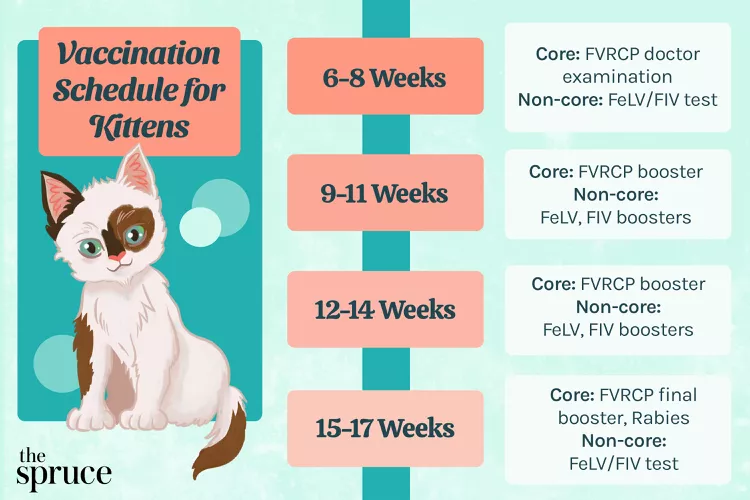
Kitten Vaccine Schedule
What vaccines does your kitten need? Learn the typical kitten vaccination schedule and find out what diseases your kitten should be immunized against.
13 Cats Who Love Christmas
Christmas time is exciting for animals too! Check out these 13 cute cats who love Christmas just as much as us humans.
275 Best Male Cat Names for Your Handsome Kitty
There are plenty of male cat names to choose from if you’re looking to add a new tomcat to the family. Here are 275 of our favorite choices for male cat names.
10 Unique Bobtail Cat Breeds
Bobtail cat breeds, including the Manx and Cymric, result from natural genetic mutations. Learn whether one of these cats is right for you.
15 Top Cat Breeds With Big Eyes
A cat with big eyes like a Persian or sphynx has an expressive look that brings out its personality. Take a look at 15 breeds with big peepers.
Khao Manee: Cat Breed Profile, Characteristics & Care
The khao manee (diamond eye cat) is a rare white cat with gem-like eyes and a friendly personality. Learn about the khao manee breed.
How to Care for a Hairless Cat
Hairless cats make great pets but they aren't without their own challenges and requirements. Read on to learn how to best care for your furless feline.
10 Most Intelligent Cat Breeds
Looking for a smart cat? Learn about the pros and cons of 10 intelligent cat breeds, including Burmese and Siamese, to decide if one is right for you.
Top Ten Essential Dog Training Supplies
You don't need a lot of special equipment to train a dog, but some items make it easier. Learn which dog training supplies to get for your dog.
Why Dogs Bury Bones and Other Objects
If you give a dog a bone, he might bury it. Why is that? Learn about this burying behavior in dogs and what it means for your pet.
How to Train Your Dog to Fetch
Not all dogs instinctively know how to play fetch. Learn how to teach your dog to fetch a ball and bring it back for a fun interactive game.
Top 10 Basic Dog Training Commands
Learn basic dog training commands that every dog should know. These can help you overcome common behavior problems and keep your dog safe.
How to Solve Your Dog's Fear of Children
Find out why your dog is afraid of kids and learn ways you can help your canine buddy deal with this phobia.
How to Safely Break Up a Dogfight
A dogfight can be a terrifying event to witness, and trying to break one up can be extremely dangerous. Find out how to stop one without getting injured.
Can Dogs Eat Almonds? Understanding the Risks and Guidelines
Can dogs eat almonds? While a couple likely won't hurt, it's best to avoid feeding your dog this nut. Learn the risks here.
Dog Food Basics
Are you feeding your dog the best way possible? Check out these dog feeding tips to keep your dog healthy and happy.
Can Dogs Eat Edamame? Safety, Benefits, and Prep Tips
Edamame is a protein-rich legume that's safe for dogs to eat in moderation. Learn more about its health benefits, potential risks, and how to prepare it for your pup.
Keeshond: Dog Breed Characteristics & Care
Learn about the keeshond dog, also known as the Dutch Barge Dog. This fluffy spitz breed was bred to guard, but also makes a friendly companion.
Can Dogs Eat Bread?
Is bread a safe snack for you dog? Are there kinds of bread you should avoid? Learn more about whether it's okay to feed your dog bread.
Can Dogs Eat Popsicles?
You might be wondering can dogs eat popsicles? Certain types of frozen treats are safe for your dog, but you need to be aware of ingredients and allergies