
The all-important first six weeks in a cat's life will do much in determining its personality and character for the rest of his life. This period is extremely important for the health of the developing kitten.
Very young kittens are susceptible to several serious threats, such as parasites and upper respiratory infections (URI), which when combined with other problems can lead to fading kitten syndrome (FKS), a serious and often fatal condition. FKS is more often found with litters of stray and feral cats, so if you are in a kitten foster situation, those kittens should be kept away from other cats in the home until they have all been checked clear of communicable disease.
Kittens will probably never grow again at the remarkable rate they accomplish during this period, and seeing the changes in their development from week to week is an incredible experience.
In the first week, your newborn kitten is a tiny food processing factory. Here is what to expect:
Your kitten is continuing his growth at an astonishing rate, by at least 10 grams per day. These changes also occur:
The kitten has many changes:
Coming up on a month, the kitten shows these characteristics:
After a month the kitten graduates to new experiences;
Socializing a kitten at this age will make all the difference in the world to his personality and interaction with humans as adult cats. Here are important milestones in the sixth week:
Kittens should learn at this age that hands are not for playing—hands are for holding, petting, and feeding. One of the best "toys" for teaching this lesson is a plastic drinking straw. You can drag it across the floor and watch the kitten chase it, then wiggle it a bit and allow him to pounce on it and "capture" it. The baby may proudly strut with his prize before settling down to bite on it. The plastic is nice and crunchy and makes a good aid for teething, as well.
Well-socialized and completely weaned kittens may be ready for their new forever homes in just a couple of weeks. If you've been waiting for your kittens to be old enough to adopt, you'll probably be pretty excited by now.
Patience, though. Remember, "All good things come to those who wait."
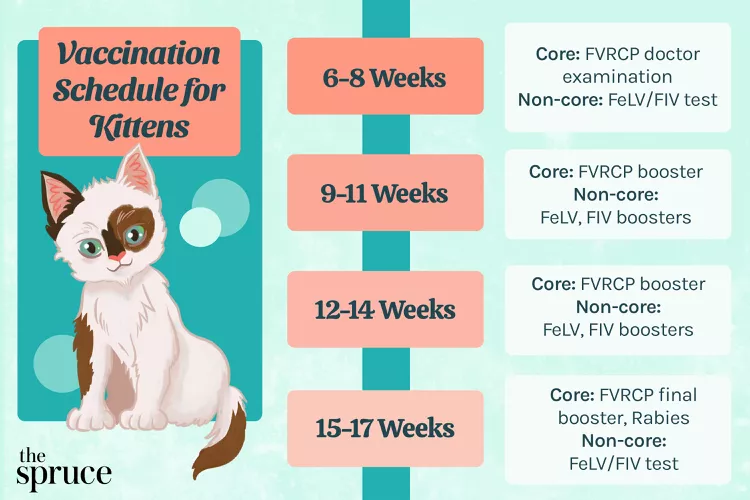
Kitten Vaccine Schedule
What vaccines does your kitten need? Learn the typical kitten vaccination schedule and find out what diseases your kitten should be immunized against.
13 Cats Who Love Christmas
Christmas time is exciting for animals too! Check out these 13 cute cats who love Christmas just as much as us humans.
275 Best Male Cat Names for Your Handsome Kitty
There are plenty of male cat names to choose from if you’re looking to add a new tomcat to the family. Here are 275 of our favorite choices for male cat names.
10 Unique Bobtail Cat Breeds
Bobtail cat breeds, including the Manx and Cymric, result from natural genetic mutations. Learn whether one of these cats is right for you.
15 Top Cat Breeds With Big Eyes
A cat with big eyes like a Persian or sphynx has an expressive look that brings out its personality. Take a look at 15 breeds with big peepers.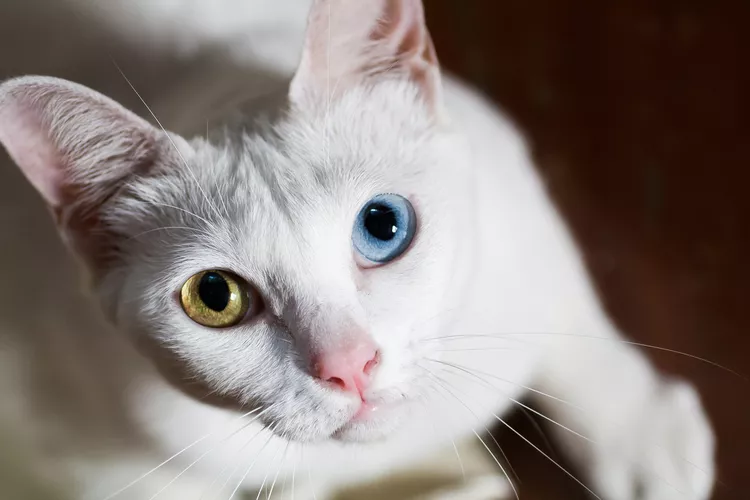
Khao Manee: Cat Breed Profile, Characteristics & Care
The khao manee (diamond eye cat) is a rare white cat with gem-like eyes and a friendly personality. Learn about the khao manee breed.
How to Care for a Hairless Cat
Hairless cats make great pets but they aren't without their own challenges and requirements. Read on to learn how to best care for your furless feline.
10 Most Intelligent Cat Breeds
Looking for a smart cat? Learn about the pros and cons of 10 intelligent cat breeds, including Burmese and Siamese, to decide if one is right for you.
Top Ten Essential Dog Training Supplies
You don't need a lot of special equipment to train a dog, but some items make it easier. Learn which dog training supplies to get for your dog.
Why Dogs Bury Bones and Other Objects
If you give a dog a bone, he might bury it. Why is that? Learn about this burying behavior in dogs and what it means for your pet.
How to Train Your Dog to Fetch
Not all dogs instinctively know how to play fetch. Learn how to teach your dog to fetch a ball and bring it back for a fun interactive game.
Top 10 Basic Dog Training Commands
Learn basic dog training commands that every dog should know. These can help you overcome common behavior problems and keep your dog safe.
How to Solve Your Dog's Fear of Children
Find out why your dog is afraid of kids and learn ways you can help your canine buddy deal with this phobia.
How to Safely Break Up a Dogfight
A dogfight can be a terrifying event to witness, and trying to break one up can be extremely dangerous. Find out how to stop one without getting injured.
Can Dogs Eat Almonds? Understanding the Risks and Guidelines
Can dogs eat almonds? While a couple likely won't hurt, it's best to avoid feeding your dog this nut. Learn the risks here.
Dog Food Basics
Are you feeding your dog the best way possible? Check out these dog feeding tips to keep your dog healthy and happy.
Can Dogs Eat Edamame? Safety, Benefits, and Prep Tips
Edamame is a protein-rich legume that's safe for dogs to eat in moderation. Learn more about its health benefits, potential risks, and how to prepare it for your pup.
Keeshond: Dog Breed Characteristics & Care
Learn about the keeshond dog, also known as the Dutch Barge Dog. This fluffy spitz breed was bred to guard, but also makes a friendly companion.
Can Dogs Eat Bread?
Is bread a safe snack for you dog? Are there kinds of bread you should avoid? Learn more about whether it's okay to feed your dog bread.
Can Dogs Eat Popsicles?
You might be wondering can dogs eat popsicles? Certain types of frozen treats are safe for your dog, but you need to be aware of ingredients and allergies