Kitten diarrhea is a fairly common problem with many potential causes. If your kitten has loose or watery stools, it's important to take action because there could be a serious underlying problem. Here's what to do if your kitten has diarrhea.
There are many reasons why kittens develop diarrhea, and some are more common than others. Regardless of the reason for kitten diarrhea, it should never be ignored if it lasts more than a couple of days or if it affects the kitten's appetite or energy level.
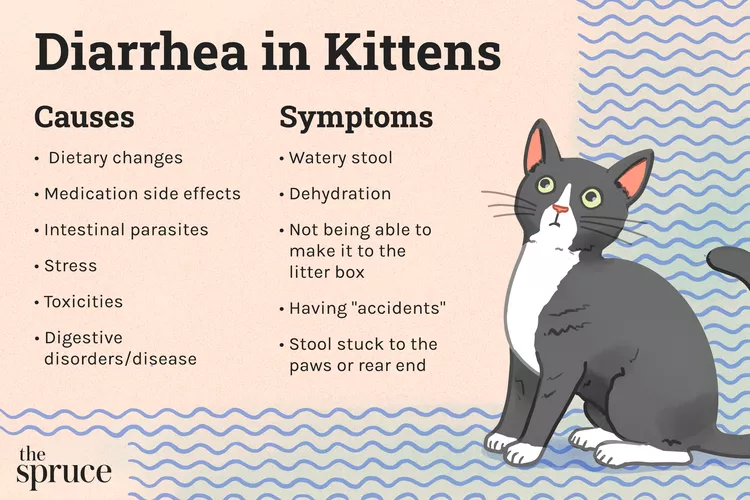
A change in kitten food may cause diarrhea, but this is often only temporary and can be mitigated by making slower food transitions. Diarrhea may persist if the kitten has a food allergy or is sensitive to certain ingredients.
More commonly, diet-related diarrhea comes from kittens eating something they aren't supposed to eat, such as dog food or human food. Cow's milk often causes diarrhea in cats and kittens because it's difficult for them to digest.
Kittens may also eat non-food items, such as string, which may cause a dangerous intestinal blockage. They may vomit, stop eating, or pass watery stools.
Intestinal parasites, often called "worms," make their homes in the intestinal tracts of kittens and other animals. These often cause diarrhea in kittens as they disrupt and irritate the intestinal lining. It's uncommon to see the actual worms, but your veterinarian can run tests to look for evidence of intestinal parasites.
Medications such as antibiotics, pain medications, and even some natural supplements can cause side effects like diarrhea in kittens. Be sure to report diarrhea to your veterinarian as they may need to adjust diseases or change to a different medication.
Just like people, kittens can get stressed in life. When a kitten is brought into a new home or is frightened by something in their environment, such as a dog or child, they may develop diarrhea as part of the body's "fight or flight" response.
Kittens are curious and tend to eat and chew things they shouldn't. If these items are toxic, they can cause a variety of symptoms including diarrhea. Nibbling on poisonous plants or eating insects can make cats and kittens sick. Exposure to chemicals, even some meant to kill fleas and ticks, can be toxic to kittens and also cause diarrhea.
Kittens are vulnerable to many infectious diseases, especially if they are around unknown cats and kittens. Kittens can be vaccinated against some of the more common diseases, but they're not fully protected until they've had all their boosters. Infectious diseases that may cause diarrhea include panleukopenia, feline immunodeficiency virus, feline leukemia, and coronavirus (which may lead to feline infectious peritonitis).
A variety of diseases and problems with the digestive tract can also cause diarrhea, including absorption problems, low vitamin levels, and Inflammatory bowel disease. Kittens may be born with a digestive disorder or develop one later on as they grow.
Diarrhea, by definition, is more frequent-than-normal bowel movements that are marked by loose, soft, or watery stool. Persistent diarrhea can cause a kitten to become severely dehydrated and weak because of the loss of fluid in the stool. Other signs of illness may be seen along with kitten diarrhea.
Some kittens may not make it to the litter box and have accidents when they have diarrhea. They may also get messy paws if they step in their stool or may have stool stuck to their tails and rear ends.
Diarrhea that lasts for two or more days will require veterinary attention. Contact your veterinarian if your kitten has diarrhea or any other unusual signs for two or more days. Your vet may ask you to bring a stool sample for testing.
Dehydration, if left untreated, can cause death. Visit a veterinarian immediately if your kitten appears dehydrated, has stopped eating or drinking, seems extremely lethargic, or has pale gums. When in doubt, call the vet's office for advice.
Treatment for kitten diarrhea usually depends on the underlying cause. Your veterinarian will examine your kitten and run any necessary tests to determine next steps. Treatment may involve one or more of the following:
There are some simple ways to help prevent diarrhea in kittens.
Kittens and adult cats can get intestinal parasites if they are outside or exposed to them from another animal. By getting your kitten's poop checked for worms at their kitten vaccine visits, you can help to prevent diarrhea from an infestation. This should be continued in adult cats at their annual wellness visits.
Parasites like fleas, worms, and ticks not only pass diseases to kittens, but they can also stress kittens out because of the discomfort they cause. Many monthly preventatives will help control or prevent these parasites and help to prevent diarrhea caused by them.
Make sure any food changes are done slowly by mixing the old and new food together. Gradually add more of the new food over about a week until your kitten adjusts to the change.
When a kitten is on antibiotics, the medication is not only killing off the bad bacteria but also potentially destroying some of the good bacteria in its system. Ask your veterinarian about giving your kitten probiotics to help support the intestinal tract if they need to be on medications for an illness.
Environmental stress may be unavoidable sometimes, but you can help to keep your kitten calm by using pheromones in its home, such as Feliway. These may help calm your kitten and make diarrhea less likely to develop from the stress of any household changes.
A bland diet can help kittens recover from mild diarrhea. Ask your vet about adding a teaspoon of canned pumpkin to your kitten's food, which may help firm up the stool
Diarrhea in kittens doesn't usually last more than about two days. See your vet if your kitten has diarrhea for more than two days.
It's time to call the vet if diarrhea lasts longer than two days, your kitten seems listless and is sleeping all the time, or if you see blood in the stool.
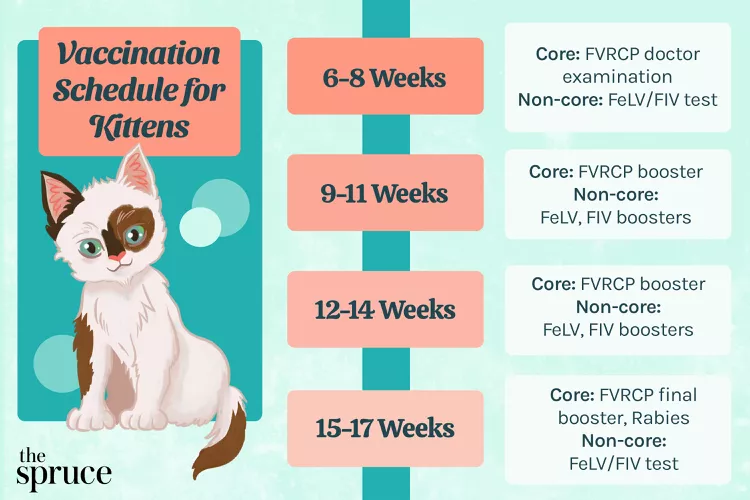
Kitten Vaccine Schedule
What vaccines does your kitten need? Learn the typical kitten vaccination schedule and find out what diseases your kitten should be immunized against.
13 Cats Who Love Christmas
Christmas time is exciting for animals too! Check out these 13 cute cats who love Christmas just as much as us humans.
275 Best Male Cat Names for Your Handsome Kitty
There are plenty of male cat names to choose from if you’re looking to add a new tomcat to the family. Here are 275 of our favorite choices for male cat names.
10 Unique Bobtail Cat Breeds
Bobtail cat breeds, including the Manx and Cymric, result from natural genetic mutations. Learn whether one of these cats is right for you.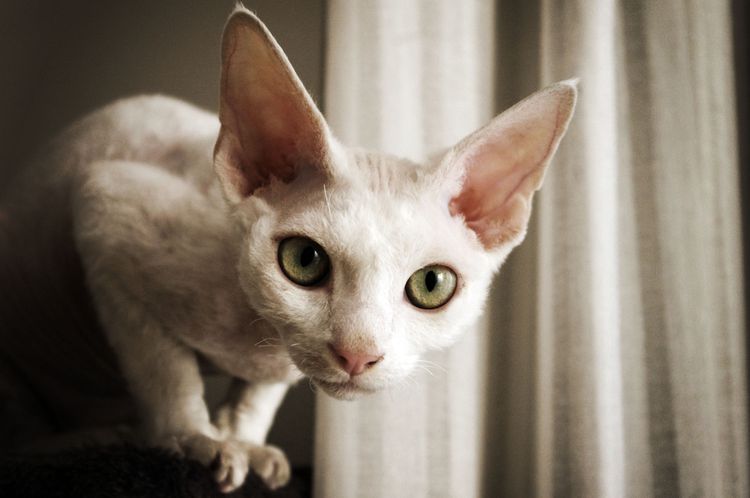
15 Top Cat Breeds With Big Eyes
A cat with big eyes like a Persian or sphynx has an expressive look that brings out its personality. Take a look at 15 breeds with big peepers.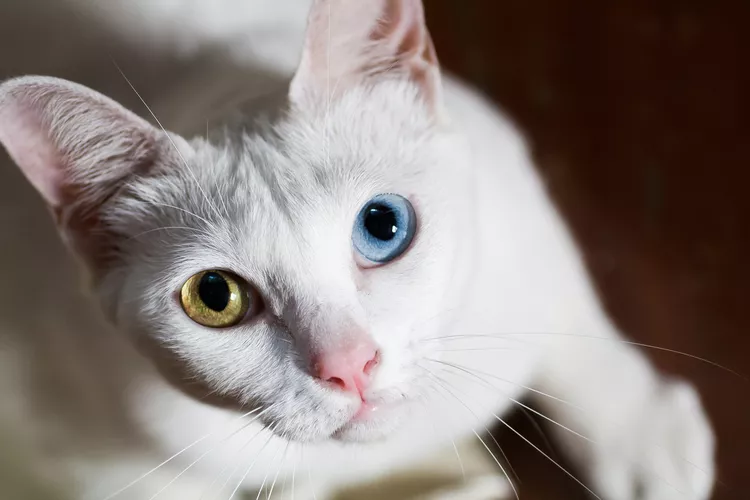
Khao Manee: Cat Breed Profile, Characteristics & Care
The khao manee (diamond eye cat) is a rare white cat with gem-like eyes and a friendly personality. Learn about the khao manee breed.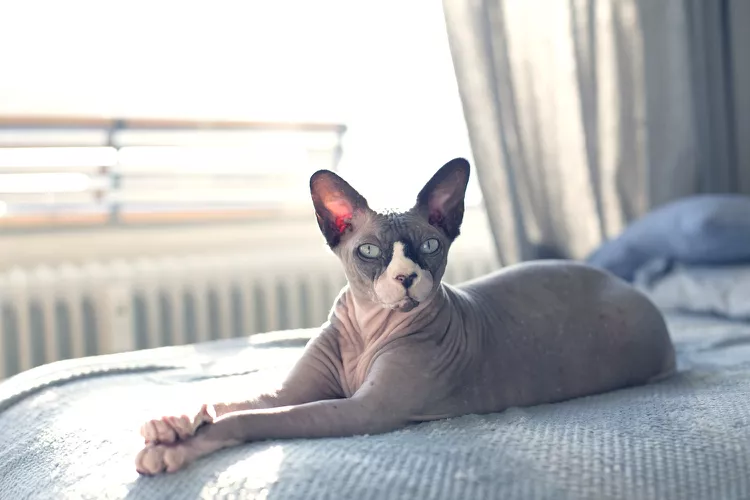
How to Care for a Hairless Cat
Hairless cats make great pets but they aren't without their own challenges and requirements. Read on to learn how to best care for your furless feline.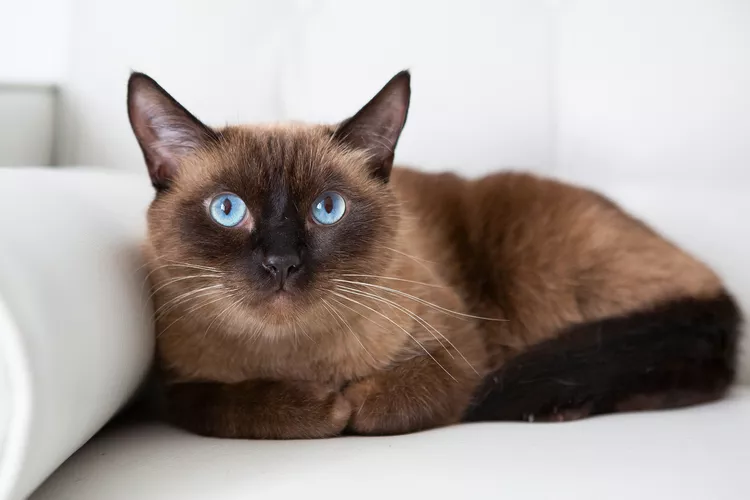
10 Most Intelligent Cat Breeds
Looking for a smart cat? Learn about the pros and cons of 10 intelligent cat breeds, including Burmese and Siamese, to decide if one is right for you.
Top Ten Essential Dog Training Supplies
You don't need a lot of special equipment to train a dog, but some items make it easier. Learn which dog training supplies to get for your dog.
Why Dogs Bury Bones and Other Objects
If you give a dog a bone, he might bury it. Why is that? Learn about this burying behavior in dogs and what it means for your pet.
How to Train Your Dog to Fetch
Not all dogs instinctively know how to play fetch. Learn how to teach your dog to fetch a ball and bring it back for a fun interactive game.
Top 10 Basic Dog Training Commands
Learn basic dog training commands that every dog should know. These can help you overcome common behavior problems and keep your dog safe.
How to Solve Your Dog's Fear of Children
Find out why your dog is afraid of kids and learn ways you can help your canine buddy deal with this phobia.
How to Safely Break Up a Dogfight
A dogfight can be a terrifying event to witness, and trying to break one up can be extremely dangerous. Find out how to stop one without getting injured.
Can Dogs Eat Almonds? Understanding the Risks and Guidelines
Can dogs eat almonds? While a couple likely won't hurt, it's best to avoid feeding your dog this nut. Learn the risks here.
Dog Food Basics
Are you feeding your dog the best way possible? Check out these dog feeding tips to keep your dog healthy and happy.
Can Dogs Eat Edamame? Safety, Benefits, and Prep Tips
Edamame is a protein-rich legume that's safe for dogs to eat in moderation. Learn more about its health benefits, potential risks, and how to prepare it for your pup.
Keeshond: Dog Breed Characteristics & Care
Learn about the keeshond dog, also known as the Dutch Barge Dog. This fluffy spitz breed was bred to guard, but also makes a friendly companion.
Can Dogs Eat Bread?
Is bread a safe snack for you dog? Are there kinds of bread you should avoid? Learn more about whether it's okay to feed your dog bread.
Can Dogs Eat Popsicles?
You might be wondering can dogs eat popsicles? Certain types of frozen treats are safe for your dog, but you need to be aware of ingredients and allergies