Friendly, single adult cats can have trouble adjusting to living with a new kitten. Often, the older cats will appear sad, reclusive, hiss a lot, and sometimes even stop eating or start urinating in strange places if it isn't adjusting well to the new member of the family.
These behaviors occur because cats do not like change, especially when it involves their established territory. Introducing a kitten to an adult cat can cause a lot of stress in your household, but there are some things you can do to help make the introduction go more smoothly.
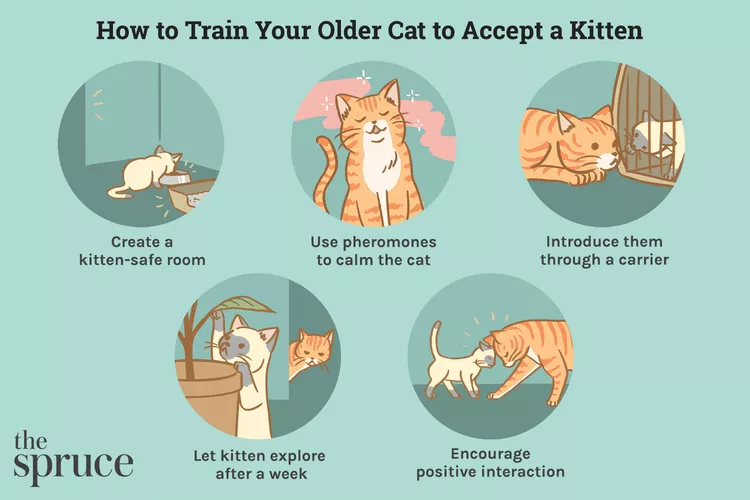
Preparation is the key to a successful introduction of a new kitten to your older cat. If you prepare your cat for the new arrival and make the changes seem less drastic, then it is more likely to adapt to its new roommate. Setting out new bowls and items for the kitten in advance is an important step, and being sure to establish boundaries for both cats will help everyone adjust. Overall, be sure to give yourself (and your older cat) plenty of time to prepare for this adjustment with these steps.
Pheromones are useful for creating a calm environment for any cat. The weeks before the arrival of a new kitten is a great time to make use of them. Diffusers, sprays, and wipes are all available and help your cat feel relaxed without the use of drugs. Try using pheromones for at least a few weeks before bringing home a kitten.
If you suspect your older cat will become stressed and anxious with a new kitten, consider nutritional supplements that are designed to calm a cat. These won’t drug your pet but will help it remain calm and relaxed. They typically work best if given a few weeks prior to the anticipated stressful event and can be continued after the new kitten arrives. The ingredients usually include L-theanine, Phellodendron, magnolia, whey or milk proteins, and other natural ingredients shown to be safe and effective for pets.
Your veterinarian is a great resource when it comes to recommending safe and effective calming supplements. There are a ton of "calming products" out there today. Check with them before starting your pet on any supplement to make sure it is worth the time and money!
New items for your kitten, such as food bowls, beds, another litter box, and toys, should be placed in and around your home before the kitten comes home. Start putting these items in their new places about a week before the new arrival so your adult cat can smell them and get used to all the new things. If you can, try to include items that have the scent of the kitten on them already. Make sure you are ready for the kitten. If you are stressed out and unprepared, your older cat will be able to tell and be negatively affected by it.
Designate a small room, such as a bathroom, for your new kitten to retreat to and spend the first week or so in. Your older cat should be able to get to the door of this room in order to hear and smell them, but not have any interaction with the kitten. Place the kitten’s belongings in this room (such as a litter box and food bowls) along with a toy that belongs to your older cat.
Cats are typically stressed by limited access to resources. Resources include food, water, litter boxes, prime perching spots, and you. There should be a litter box for each cat PLUS an additional litter box, and these boxes should be distributed throughout the house. Cats typically do not want to cross paths with another cat when attempting to access a resource, so keep this in mind when placing resources throughout the house. Remember it is a good idea to start using pheromones and calming supplements before making any changes in your house, as this process alone has been known to cause stress-related illnesses in cats.
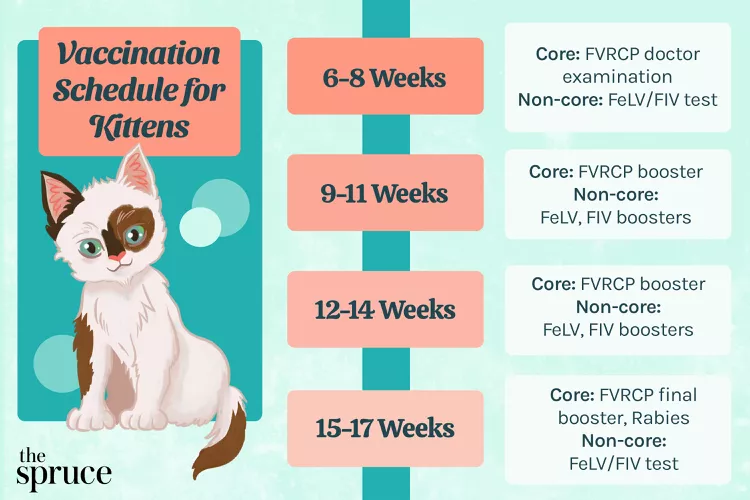
Make sure your older cat is healthy. Added stress to an unhealthy cat will only make things worse, and you want your cat not only mentally prepared for a new kitten but also physically ready to handle it. Take your cat in for a checkup with your vet to make sure it is healthy and that its vaccinations are current. Respiratory diseases are common in kittens, so you’ll want your older cat’s immune system to be ready to tackle anything that comes into the house. In case scratching or biting occurs between the cat and kitten, you’ll also want your cat's rabies vaccine up to date.
It is also important to know your cat and the kitten's Feline Leukemia (FeLV) and Feline immunodeficiency virus (FIV) status prior to introduction. Your veterinarian can help guide you through the recommended testing that should occur before the introduction of any new cat into a home.
While older cats will occasionally take to a new kitten right away, they typically need a little time to adjust to the changes. Sometimes cats never fully accept a new kitten but will simply coexist, keeping to themselves away from the other cat in the house. You’ll want to make sure that no matter how your cat feels about the new kitten, things stay peaceful and you have the best chance at creating a budding friendship from the start.
When you bring your kitten home, allow your cat to sniff it while the kitten is in a carrier. Go directly to the room you previously designated for the kitten, and allow them to explore. The litter box, food bowls, bed, and some toys should all be easily accessible. Do not let your older cat have immediate access to the kitten.
At night, when you are not home, and whenever you are unable to supervise the kitten and your older cat, keep the kitten in its designated room with the door closed. As your cat gets curious, it may stick its paw under the door, sniff under the door, and listen to the kitten. Do this for about a week. Don’t forget to pay a lot of attention to your older cat after playing with your kitten. It’ll need your attention and support, and the scent of the kitten on your clothing will help it get used to the newcomer. Just make sure to wash your hands between play sessions to avoid the spread of infections.
After about a week, let your kitten explore the house under your watchful eye. Allow your older cat to observe this exploration and retreat if it wants to. Do not force interaction between your cat and kitten. If your cat has a favorite interactive toy, such as a feather wand or laser pointer, try playing with both cats at the same time. This will encourage mutual activity. You can also give them both treats at the same time and feed them at the same time from separate bowls. Be sure to leave enough space between the food bowls so your older cat does not feel threatened.
Encourage any positive interactions your older cat has with the kitten using praise, treats, and physical affection. You want your cat to associate the kitten with happy, positive things.
Cats need to have order, and a new member in the home must learn the rules. Your older cat may have a period of time when it tries to establish boundaries with the new kitten and may hiss and swat at the kitten when the newcomer does something unfavorable. This is completely normal and as long as it is just hissing and swatting, do your best to not interfere. Your older cat is teaching the kitten where its boundaries as the new cat are.
They may never turn out to be best friends, but most cats learn to accept and occasionally appreciate the presence of another feline roommate. Don't give up if the first encounters are not positive. Older cats can take time to acclimate to a younger cat. A common mistake is to rush the socialization between cats and then getting mad or frustrated when it doesn't work out. Keep calm and work in increments to bring the cats together. Try timing your interactions and slowly increasing the amount of time together. If your older cat is especially aggressive toward the new kitten, speak with your vet or a behavior specialist for tips.
Kitten Vaccine Schedule
What vaccines does your kitten need? Learn the typical kitten vaccination schedule and find out what diseases your kitten should be immunized against.
13 Cats Who Love Christmas
Christmas time is exciting for animals too! Check out these 13 cute cats who love Christmas just as much as us humans.
275 Best Male Cat Names for Your Handsome Kitty
There are plenty of male cat names to choose from if you’re looking to add a new tomcat to the family. Here are 275 of our favorite choices for male cat names.
10 Unique Bobtail Cat Breeds
Bobtail cat breeds, including the Manx and Cymric, result from natural genetic mutations. Learn whether one of these cats is right for you.
15 Top Cat Breeds With Big Eyes
A cat with big eyes like a Persian or sphynx has an expressive look that brings out its personality. Take a look at 15 breeds with big peepers.
Khao Manee: Cat Breed Profile, Characteristics & Care
The khao manee (diamond eye cat) is a rare white cat with gem-like eyes and a friendly personality. Learn about the khao manee breed.
How to Care for a Hairless Cat
Hairless cats make great pets but they aren't without their own challenges and requirements. Read on to learn how to best care for your furless feline.
10 Most Intelligent Cat Breeds
Looking for a smart cat? Learn about the pros and cons of 10 intelligent cat breeds, including Burmese and Siamese, to decide if one is right for you.
Top Ten Essential Dog Training Supplies
You don't need a lot of special equipment to train a dog, but some items make it easier. Learn which dog training supplies to get for your dog.
Why Dogs Bury Bones and Other Objects
If you give a dog a bone, he might bury it. Why is that? Learn about this burying behavior in dogs and what it means for your pet.
How to Train Your Dog to Fetch
Not all dogs instinctively know how to play fetch. Learn how to teach your dog to fetch a ball and bring it back for a fun interactive game.
Top 10 Basic Dog Training Commands
Learn basic dog training commands that every dog should know. These can help you overcome common behavior problems and keep your dog safe.
How to Solve Your Dog's Fear of Children
Find out why your dog is afraid of kids and learn ways you can help your canine buddy deal with this phobia.
How to Safely Break Up a Dogfight
A dogfight can be a terrifying event to witness, and trying to break one up can be extremely dangerous. Find out how to stop one without getting injured.
Can Dogs Eat Almonds? Understanding the Risks and Guidelines
Can dogs eat almonds? While a couple likely won't hurt, it's best to avoid feeding your dog this nut. Learn the risks here.
Dog Food Basics
Are you feeding your dog the best way possible? Check out these dog feeding tips to keep your dog healthy and happy.
Can Dogs Eat Edamame? Safety, Benefits, and Prep Tips
Edamame is a protein-rich legume that's safe for dogs to eat in moderation. Learn more about its health benefits, potential risks, and how to prepare it for your pup.
Keeshond: Dog Breed Characteristics & Care
Learn about the keeshond dog, also known as the Dutch Barge Dog. This fluffy spitz breed was bred to guard, but also makes a friendly companion.
Can Dogs Eat Bread?
Is bread a safe snack for you dog? Are there kinds of bread you should avoid? Learn more about whether it's okay to feed your dog bread.
Can Dogs Eat Popsicles?
You might be wondering can dogs eat popsicles? Certain types of frozen treats are safe for your dog, but you need to be aware of ingredients and allergies